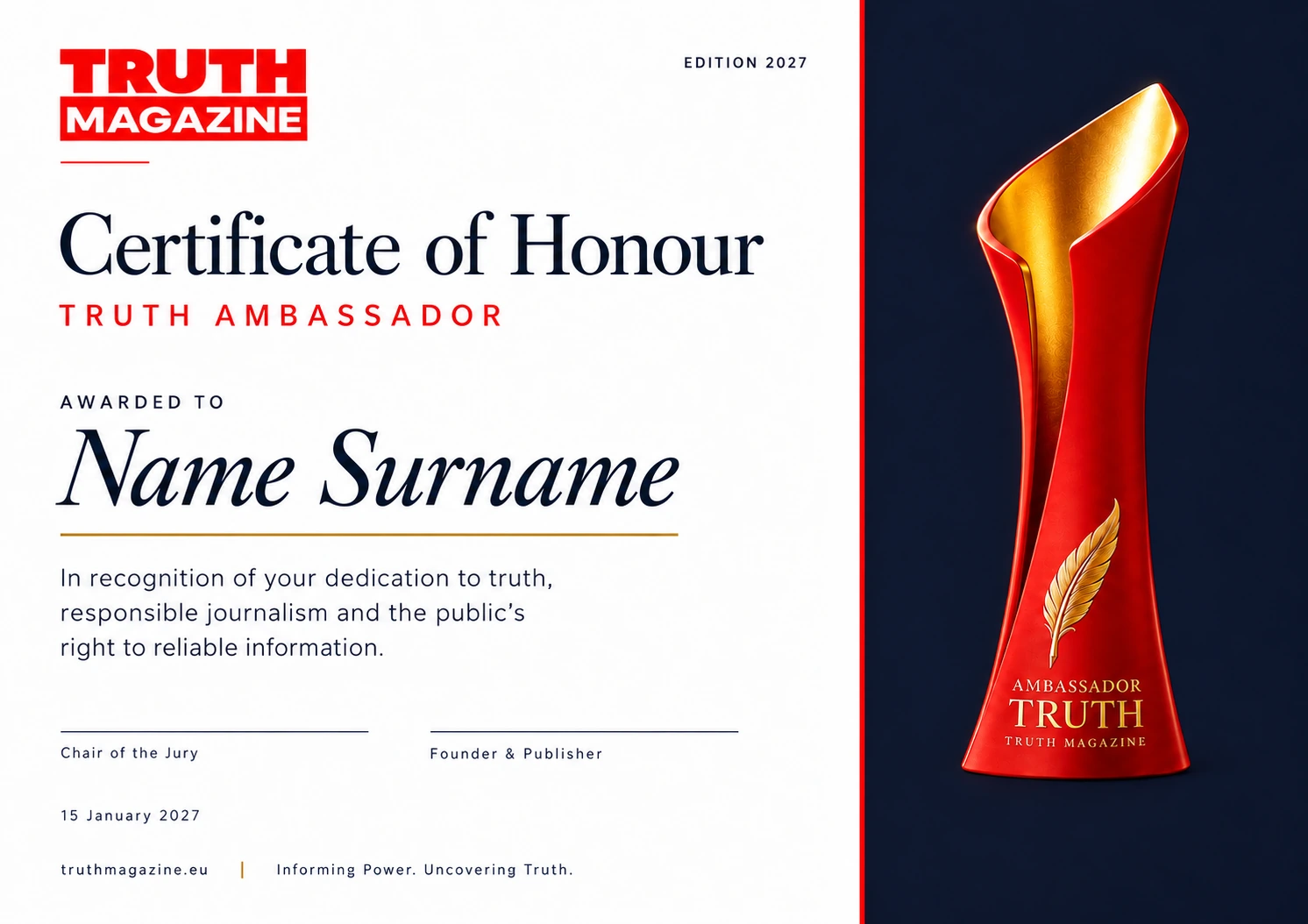
Submissions open
Sunday, 00:01 Polish local time.
TRUTH MAGAZINE / FIRST EDITION 2027
Truth takes work. We recognise the people doing it.
An honorary distinction for journalists, independent creators and educators who verify information, explain context and take responsibility for what they publish.

Submissions close 12 January 2027. Jury: 13 January. Recipients: 15 January. Polish local time.
01 / EDITION CALENDAR
Sunday, 00:01 Polish local time.
Tuesday, 23:59:59. Complete materials and participation confirmation.
Three jury nominations, two audience nominations and recipient selection.
Names, reasons and the work being recognised.
All dates: Europe/Warsaw, CET (UTC+1). Three nominations are selected by the jury; two result from audience voting.
02 / WHAT WE RECOGNISE
Evidence, independent verification, context and a distinction between findings and assumptions.
Disclosure of limitations and relevant relationships, labelling opinion and correcting errors responsibly.
Documented effort, difficulty and independence; without rewarding sensationalism or risk for its own sake.
Proportionality, protection of sources, privacy and dignity, and avoidance of unjustified harm.
Explanatory value, usefulness and documented impact; not popularity alone.
Jury assessment for its three places: sum × 4 = 0–100. At least three valid assessments. Average thresholds: 75/100 overall, accuracy 4/5, transparency and ethics 3/5. A separate vote decides the distinction.
03 / AUDIENCE VOICE
Two votes. Two different people. Your choice.
From 1 November 2026, 00:01 to 12 January 2027, 23:59:59 Polish time. The two audience nominees will be the highest-supported admitted people outside the jury’s three. Nomination does not automatically award the recipient title.
Loading voting status…
Your profile may be private. A provider-verified email is required. Google and LinkedIn with the same verified email share a quota; separate accounts are not merged. Using both votes is optional. A recorded choice is final.
Confirmed candidates join after verification; people in the suggestions list are not automatically participants. Your choices are visible after sign-in and aggregate totals after closing.
04 / EDITORIAL RESEARCH LIST
This is an initial editorial selection. The list is open and will grow with additional people, including through submissions during the call. These are suggestions for consideration, not official nominees or confirmation of participation or endorsement by the people listed. The order is not a ranking. Other people may also be submitted. Three nominees are selected by the jury and two by the audience. Only candidates admitted after verification can receive votes.
Notes are based on public work and professional profiles; updated 26 October 2026. They do not certify the absence of allegations or controversy. Formal candidacies undergo individual verification.
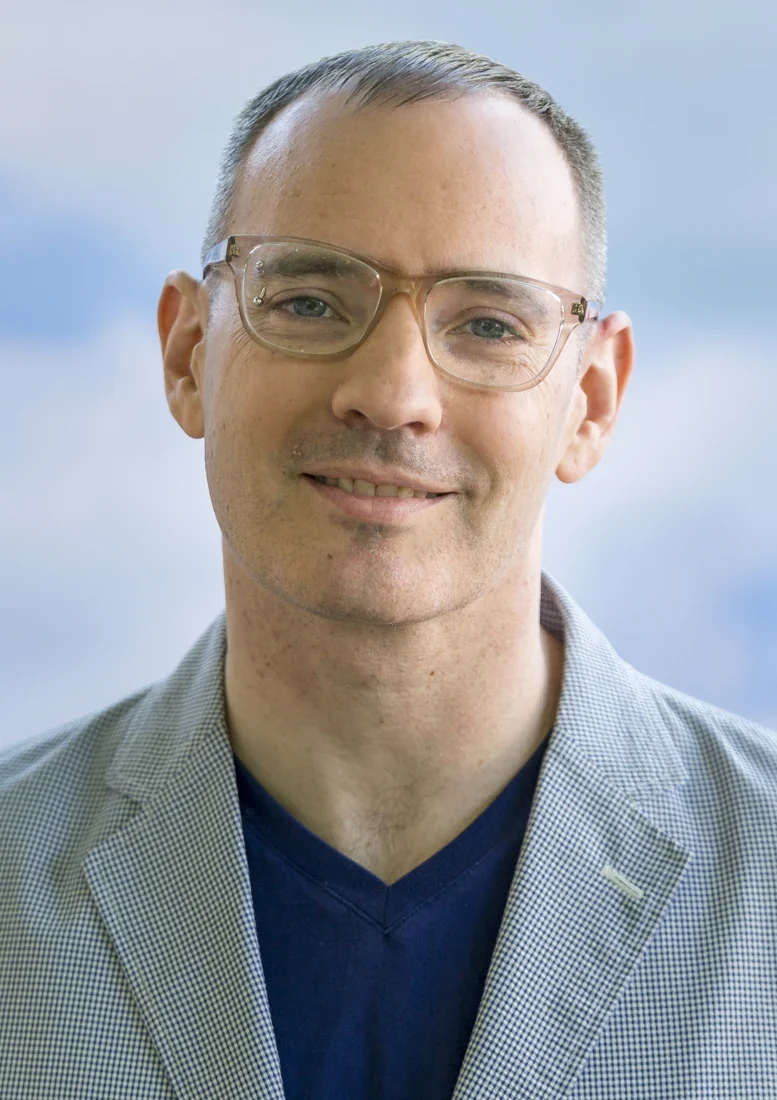
Investigative journalist; Indicator co-founder
Craig Silverman investigates how digital platforms, advertising and fraud networks turn deceptive content into revenue and influence. At BuzzFeed News and ProPublica, his reporting examined election-related manipulation and technology companies’ responsibility, including work contributing to a George Polk Award-winning series about Facebook. He also worked on ProPublica’s investigation of Google’s advertising business, which received recognition from the business journalism organisation SABEW. As editor of the Verification Handbook series and co-founder of Indicator, he shares OSINT and evidence-verification methods, helping reporters turn scrutiny of digital abuse into a repeatable investigative practice rather than an isolated exposé.
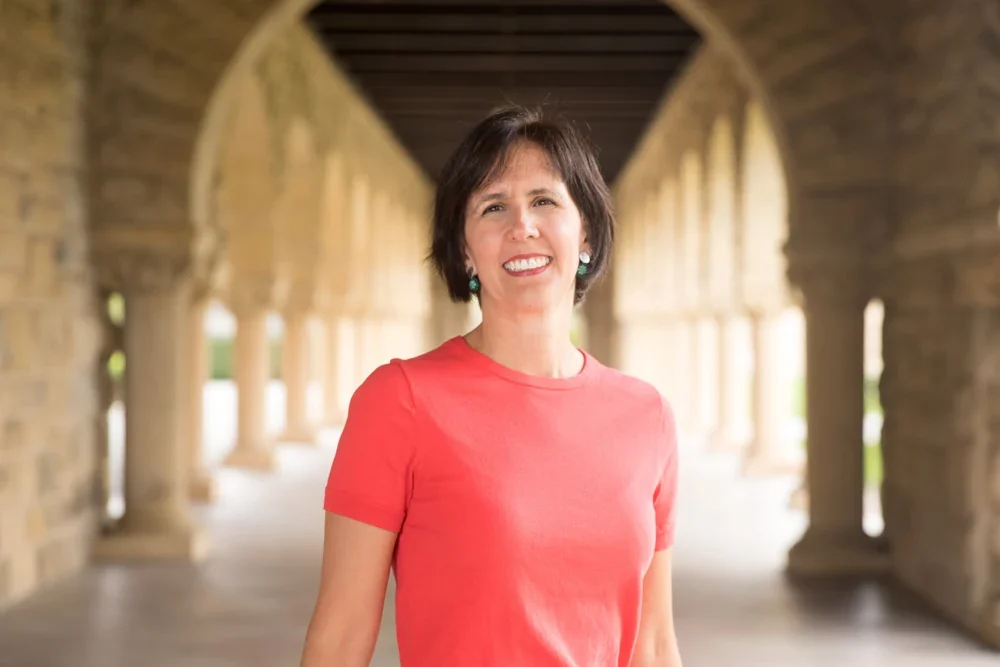
Executive editor, Pulitzer Center
Marina Walker Guevara coordinated international reporting collaborations for the Panama Papers and Paradise Papers, projects built on enormous collections of leaked financial records. Hundreds of journalists jointly examined offshore companies, business connections and mechanisms for concealing wealth, rather than conducting disconnected investigations within individual countries. Her own reporting has also addressed environmental degradation linked to multinational businesses and the offshore economy, while her collaborative work includes a shared 2017 Pulitzer Prize. At the Pulitzer Center, she continues developing a model that connects reporters, data expertise and technology around subjects requiring sustained investigation and an international perspective.
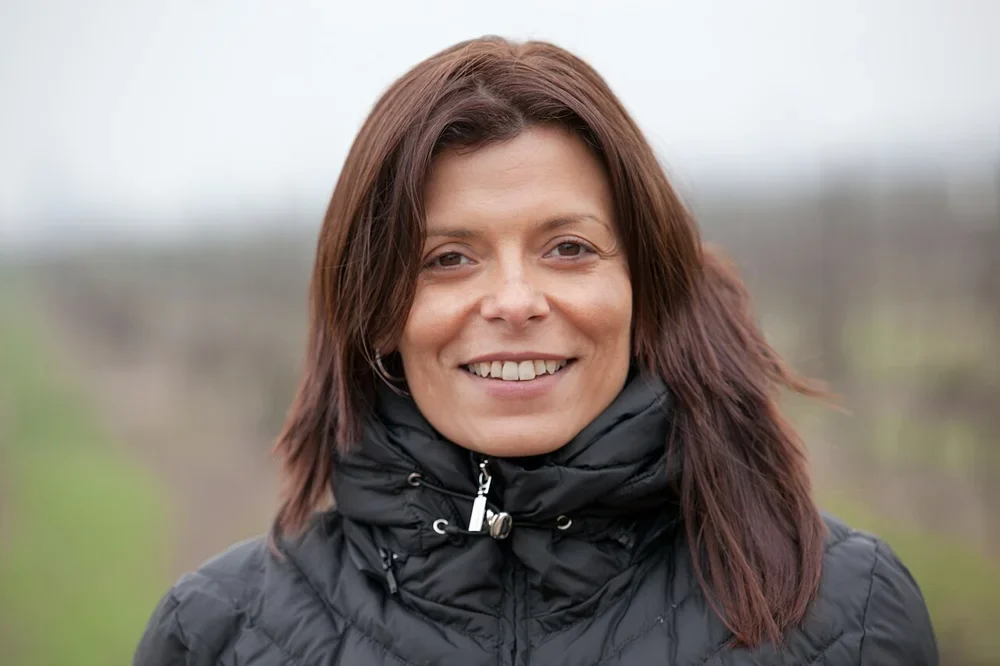
Investigative journalist; professor at Columbia Journalism School
Giannina Segnini combines database analysis, banking documents and public records with traditional investigative reporting. At Costa Rica’s La Nación, she led journalists and computer specialists and, with Ernesto Rivera, investigated bribery involving Finnish medical equipment purchases and Alcatel telecommunications contracts. The team’s reporting triggered criminal investigations involving former Costa Rican presidents, demonstrating how following financial flows can move scrutiny beyond officials’ and contractors’ public statements. Her team also built the Offshore Leaks database application, while participation in the Panama Papers and teaching at Columbia University extend these methods into cross-border corruption investigations and the training of other reporters.
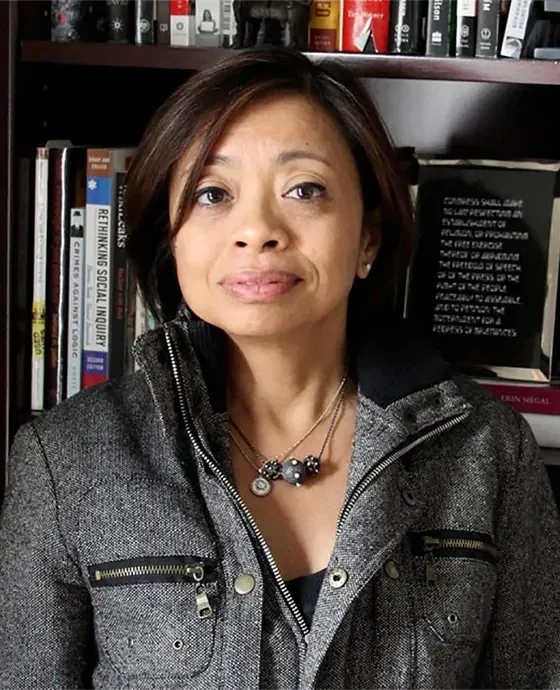
PCIJ co-founder; professor at Columbia Journalism School
Sheila Coronel began reporting for the Philippine opposition press near the end of Ferdinand Marcos’s dictatorship, covering human rights abuses and democratic change. She co-founded the Philippine Center for Investigative Journalism, whose reporters examined corruption, nepotism and the wealth of senior public figures. PCIJ’s revelations about President Joseph Estrada’s mansions contributed to the political crisis and his removal in 2001, an achievement of PCIJ’s collaborative reporting. Coronel has also examined police abuses during the Philippine drug war, while her Columbia University teaching and investigative textbooks pass on methods rooted in records, verification and responsibility towards sources.
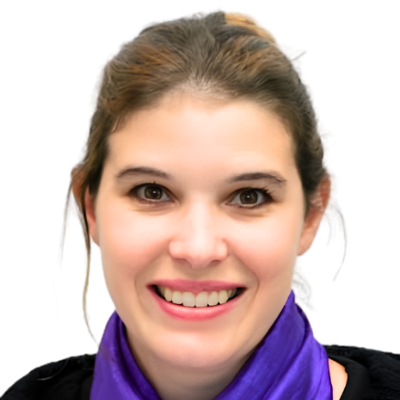
Investigative reporter, Associated Press
Margie Mason was one of four Associated Press reporters behind Seafood from Slaves, an investigation into forced labour in the Asian seafood industry. The team combined interviews with captive workers, trade records, shipment tracking and supply-chain observation to connect exploitation on remote islands with products reaching consumers in the United States. According to the Pulitzer citation, the reporting helped free about 2,000 people, bring perpetrators to justice and inspire reforms, earning AP the 2016 Public Service prize. Her contribution illustrates the value of patient evidence gathering where isolated workers and multilayered commerce make accountability particularly difficult to establish.
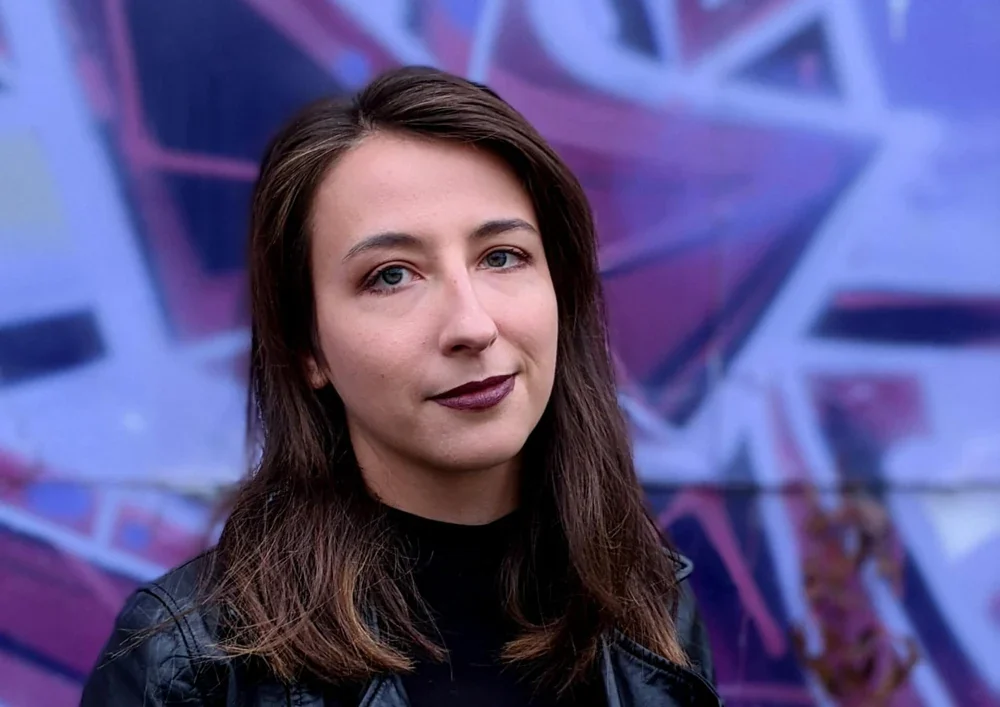
Investigative reporter and verification trainer
Jane Lytvynenko investigates disinformation, online manipulation and propaganda using open-source research. Her experience includes BuzzFeed News and research and newsroom training at Harvard Kennedy School’s Shorenstein Center, with Russia’s war against Ukraine a focus. In an interview with PEN America, she explained how propaganda videos and social media material, once verified, can provide evidence concerning occupied territories, imprisoned people and children taken from Ukraine. She also addresses harassment targeting reporters and the importance of showing audiences the route from source to conclusion, because labelling a claim false does not by itself explain how manipulation works.

Executive director, ICIJ
Gerard Ryle led the international ICIJ teams working on the Panama Papers, Paradise Papers and Pandora Papers. These projects combined leaked records with reporting across many countries to examine connections between powerful individuals, financial intermediaries and offshore companies. The Panama Papers exposed mechanisms enabling concealed wealth, corruption and other abuses, while ownership of an offshore company alone does not establish criminal wrongdoing. Ryle brought more than twenty years of Australian reporting and editing experience to these collaborations, with his contribution centred on organising the shared work that turns scattered documents into verifiable public-interest reporting.
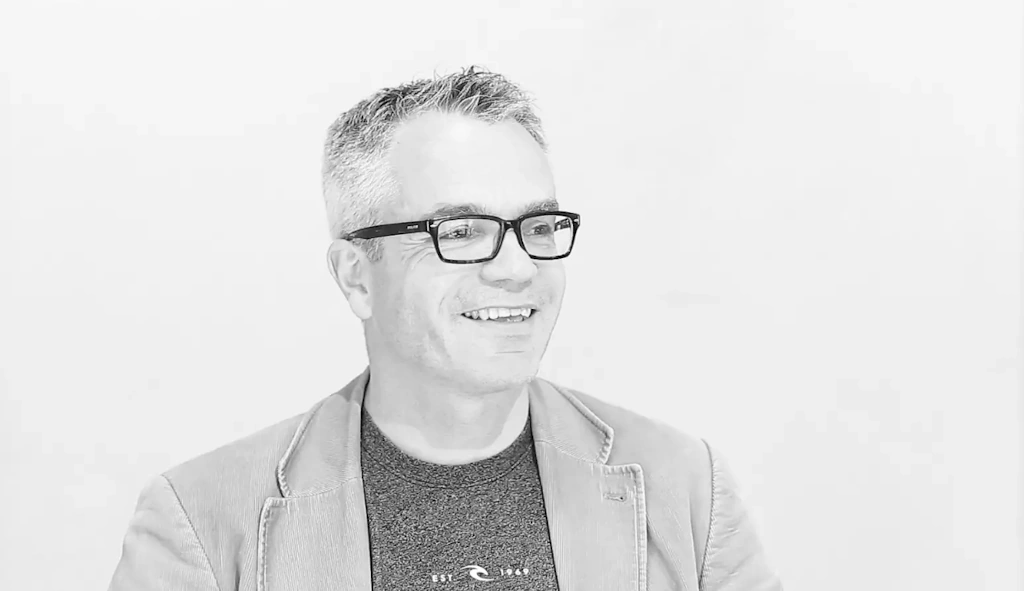
Africa Check founder; former AFP reporter and editor
Peter Cunliffe-Jones founded Africa Check in 2012 after years as a reporter and editor for Agence France-Presse. Rather than a single headline investigation, his contribution lies in building an institution that systematically examines public claims and develops independent fact-checking in Africa. He helped develop the International Fact-Checking Network’s principles and researches misinformation’s actual effects, media literacy and ways to evaluate responses to false information. He also tackles the contested boundary between countering manipulation and restricting free expression, arguing in his published work that punitive legal responses may fail to address the problem and deserve scrutiny alongside misinformation itself.
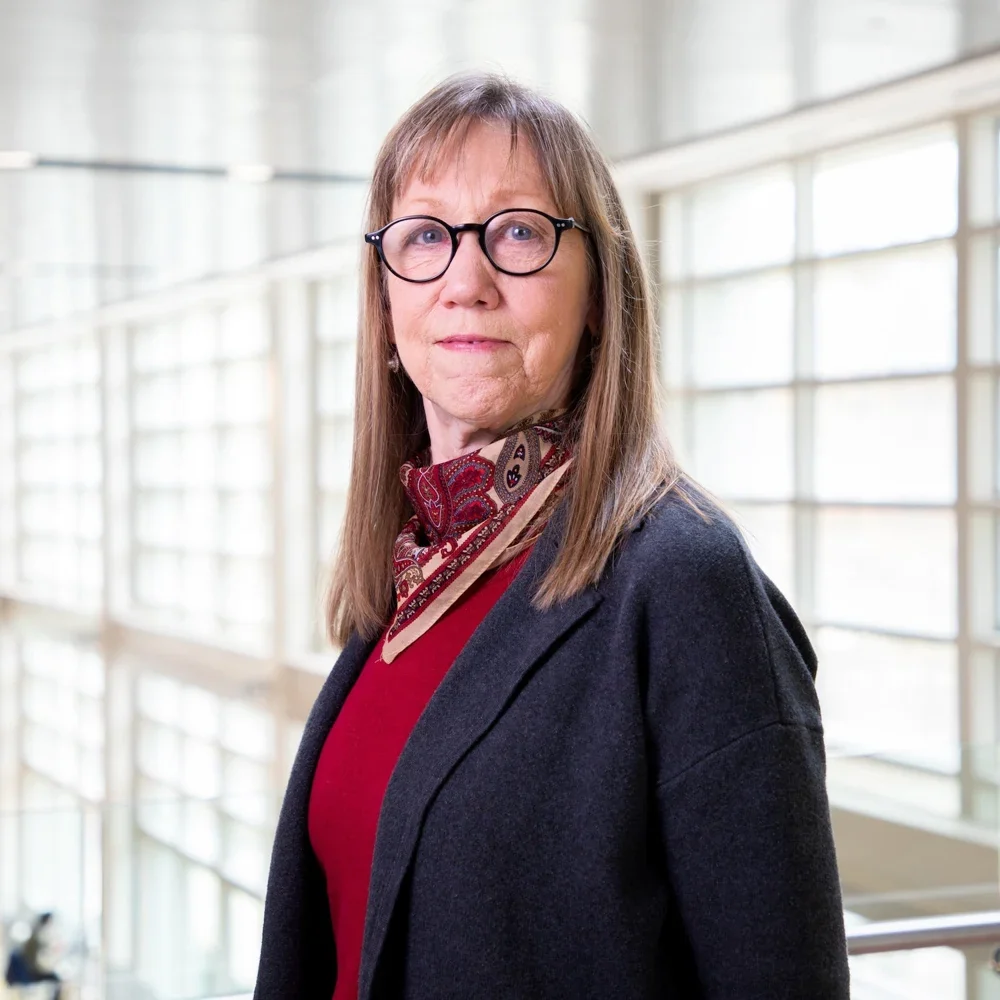
Investigative reporter; professor at the University of Maryland
Deborah Nelson co-authored The Seattle Times’ Pulitzer-winning investigation into abuses in the federal housing programme serving Native American communities. As an editor, she also contributed to award-winning investigations concerning child welfare and military accidents, working as part of the editorial teams. Her book The War Behind Me examined the concealment of American war crimes in Vietnam and soldiers who tried to stop the atrocities. Her later Reuters collaborations have addressed global hunger, military family housing, inequality, pandemics and antibiotic resistance, reflecting sustained scrutiny of how institutions fail people in matters of health, security and basic rights.
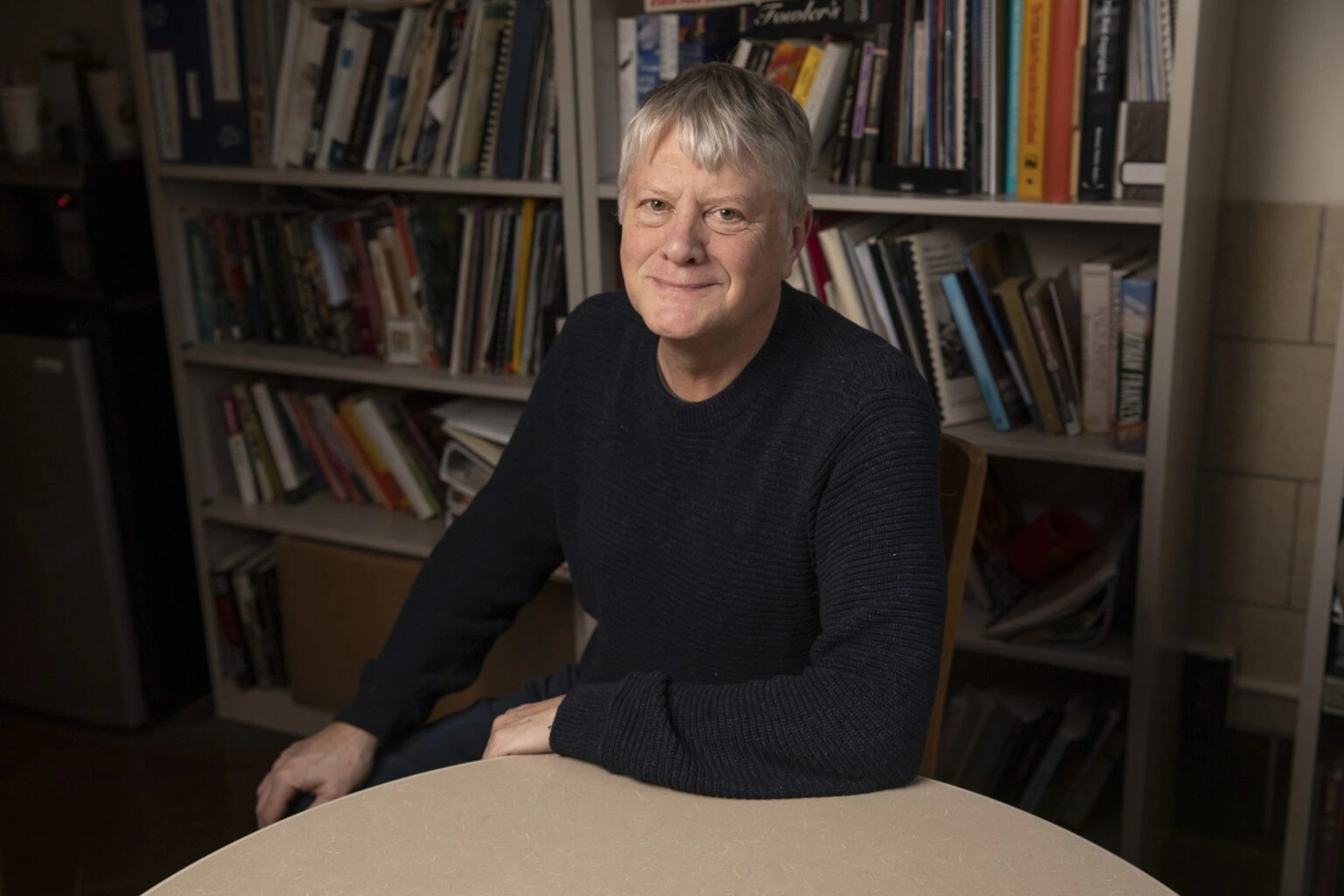
GIJN co-founder; professor at the University of Illinois
Brant Houston develops tools and institutions for document- and data-based investigations. He led Investigative Reporters and Editors for more than a decade, co-founded the Global Investigative Journalism Network and Institute for Nonprofit News, and previously spent seventeen years reporting for newspapers. His Computer-Assisted Reporting textbook and co-authored editions of The Investigative Reporter’s Handbook help journalists move from a suspicion towards evidence that can be checked, rather than relying solely on powerful people’s statements. At the University of Illinois, he oversees CU-CitizenAccess and studies nonprofit journalism, combining training with institution-building that supports independent scrutiny.
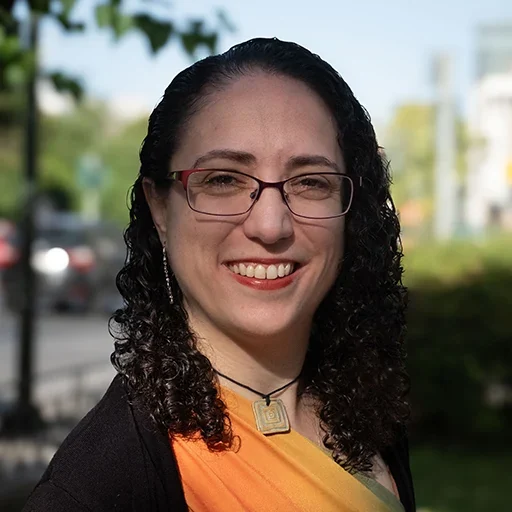
Executive director, GIJN
At ICIJ she combined data analysis with international coordination on the Panama Papers, Pandora Papers and FinCEN Files, helping reporters examine financial flows and concealed connections. As data editor on the Implant Files, she participated in scrutiny of medical device safety and regulatory gaps using millions of device-related reports. Her work also highlights an investigation's less visible foundation: organising documents and checking data before they underpin public allegations. She co-founded Venezuela's Armando.info, mentored Latin American reporters and went on to lead GIJN, developing the collaboration that enables small newsrooms to investigate matters extending beyond national borders.
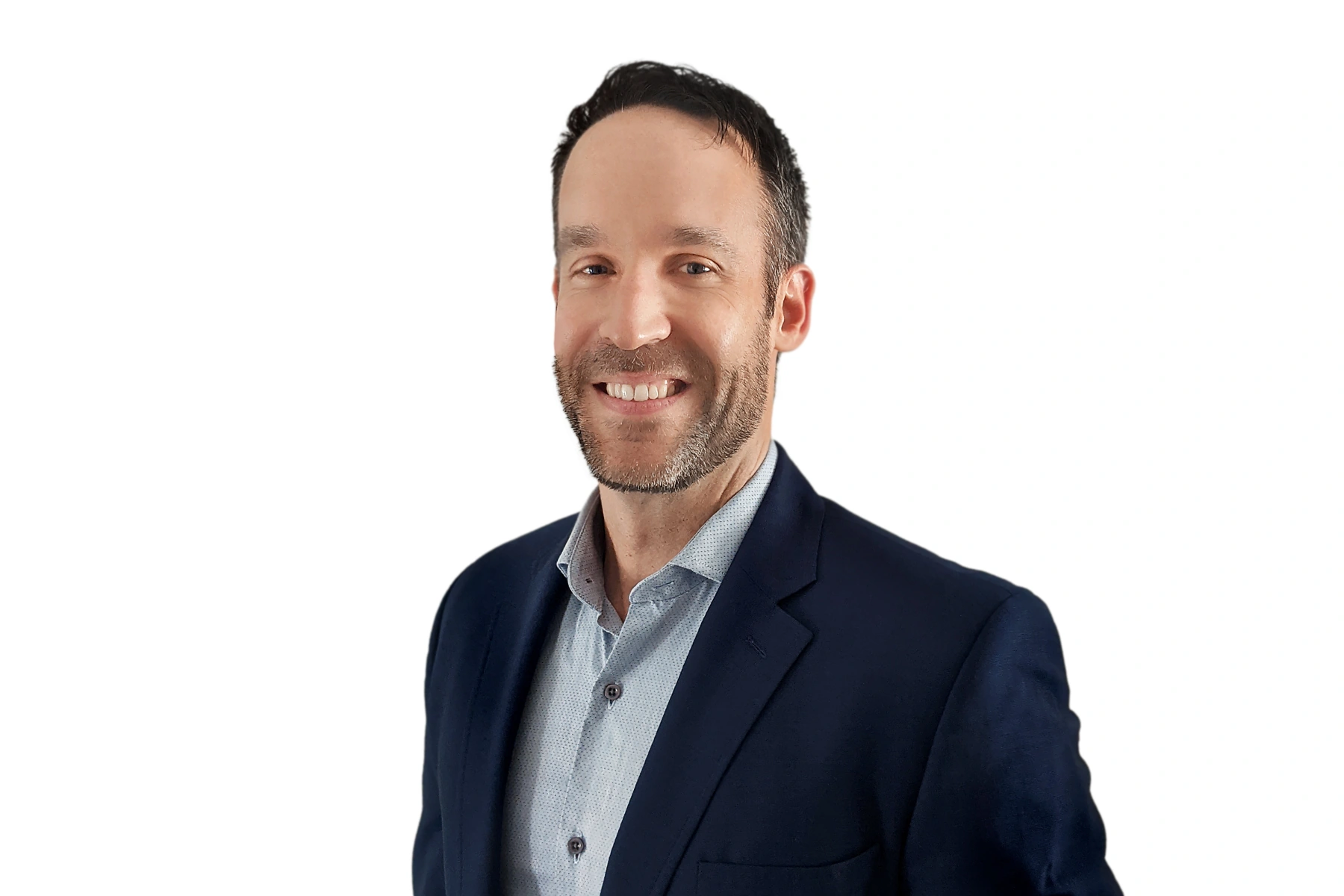
Reporter and partnerships coordinator, The Examination
He contributed to the Panama Papers and Pandora Papers, tracing connections between secretive financial structures, influential people and interests crossing national borders. He coordinated Fatal Extraction, a collaborative examination of Australian mining companies' impact on African communities that combined corporate records with local reporting. On Shadow Diplomats he worked with Debbie Cenziper, Diana Moukalled and partners to investigate honorary consuls accused of crimes or embroiled in controversies, exposing weaknesses in oversight of the system. As a reporter and partnerships coordinator at The Examination, he brings experience in building international teams where journalists' local knowledge matters as much as financial analysis.
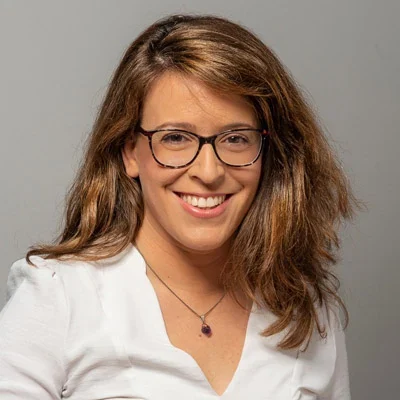
Data journalist; co-founder of The Self-Investigation
She led the technology and data work behind the Panama Papers, helping turn 11.5 million files into material hundreds of reporters could investigate together. The team's infrastructure enabled secure document searches and reconstruction of offshore company networks, preventing the leak's scale from overwhelming specific findings. Her contribution demonstrates that exposing financial secrecy requires both reporters and tools for systematic examination of evidence. She also co-founded The Self-Investigation, connecting media independence with working conditions, wellbeing and responsible technology use rather than treating exhaustion as an unavoidable price of rigorous journalism.
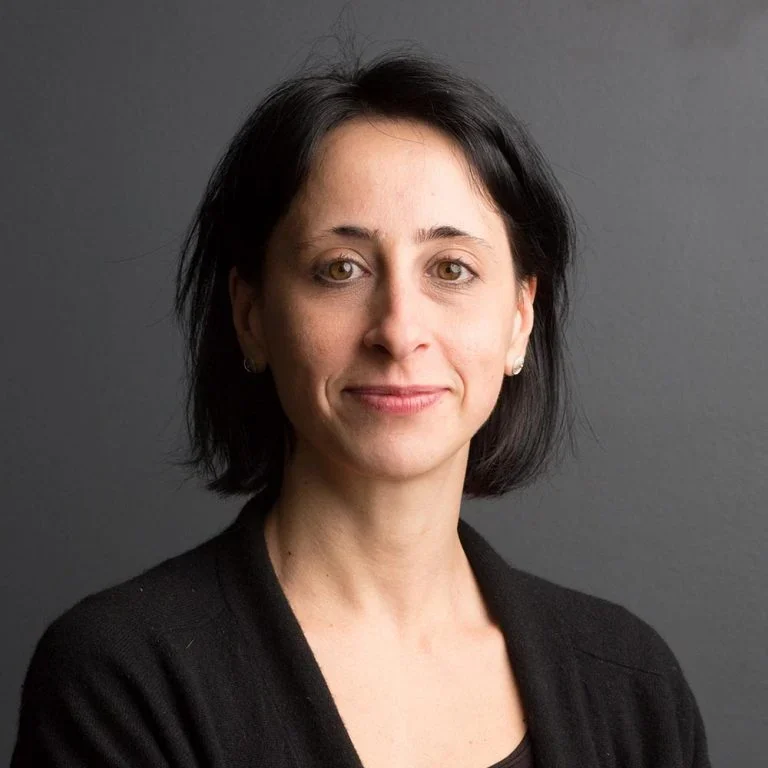
Investigative reporter and video journalist, ICIJ
She combines investigative reporting, video and newsroom coordination across Asia and Europe, allowing documents from one country to be tested against a wider context. In 2016 she belonged to the Japanese team participating in the Pulitzer-winning Panama Papers investigation into financial secrecy and offshore structures. On the Implant Files she produced reporting about patient harm linked to inadequately tested implants, examining the tension between medical technology's promises and the protection of people. Her work also gives patients a voice and translates complex findings into visual storytelling that helps audiences understand the responsibilities of manufacturers and regulators.
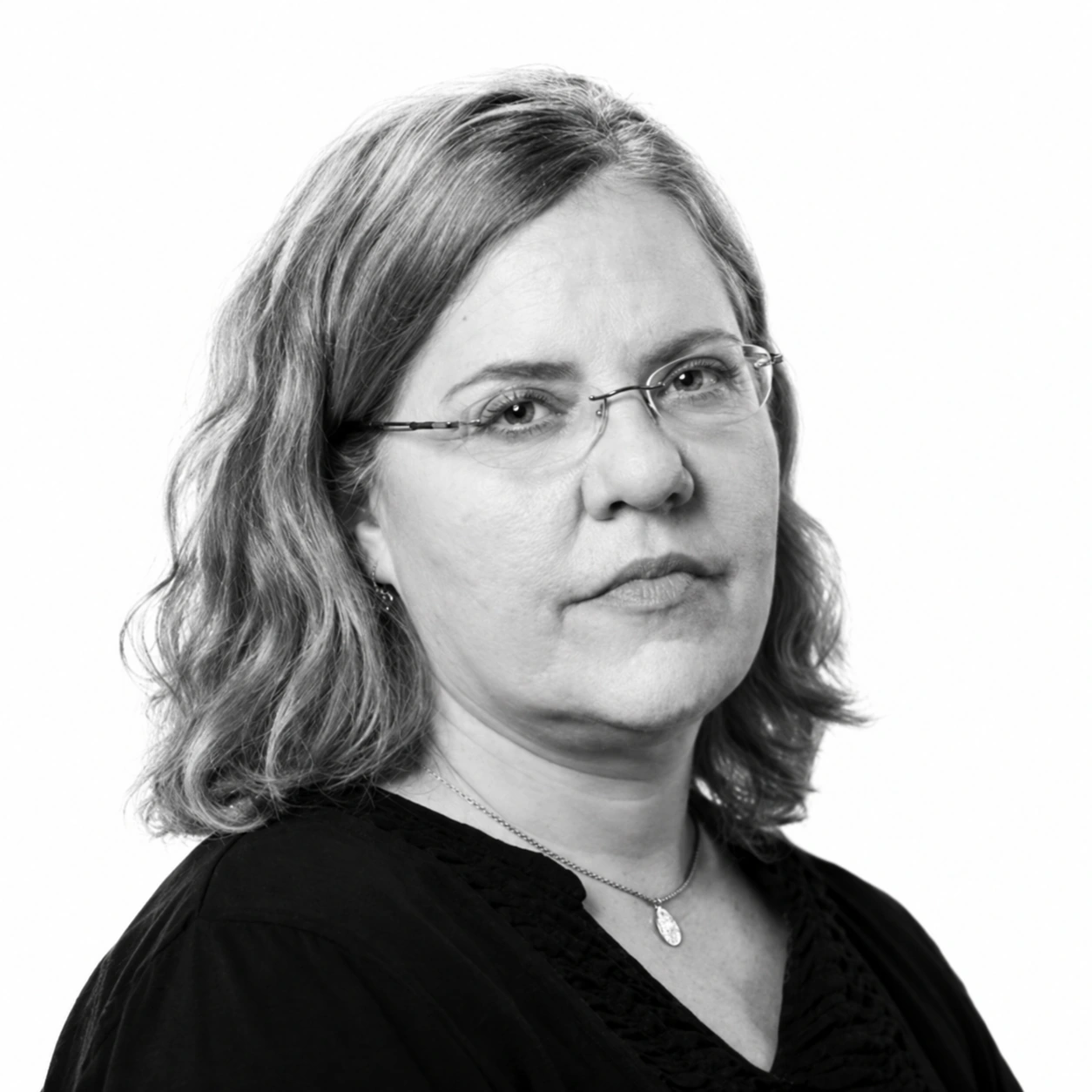
Data journalist and journalism educator
Her career combines investigative editing with analysis of inequality and institutional conduct, including situations where official procedures can conceal discrimination. At the Center for Public Integrity she managed projects including 40 Acres and a Lie, whose team examined historical records of land granted to formerly enslaved people and subsequently taken away. She also investigated federal pardons, Medicare prescribing and racial bias in jury selection, while helping launch The Accountability Project at the Investigative Reporting Workshop. As a Berkeley educator she passes these methods to other reporters, demonstrating how scattered public records can support verifiable findings rather than merely striking charts.
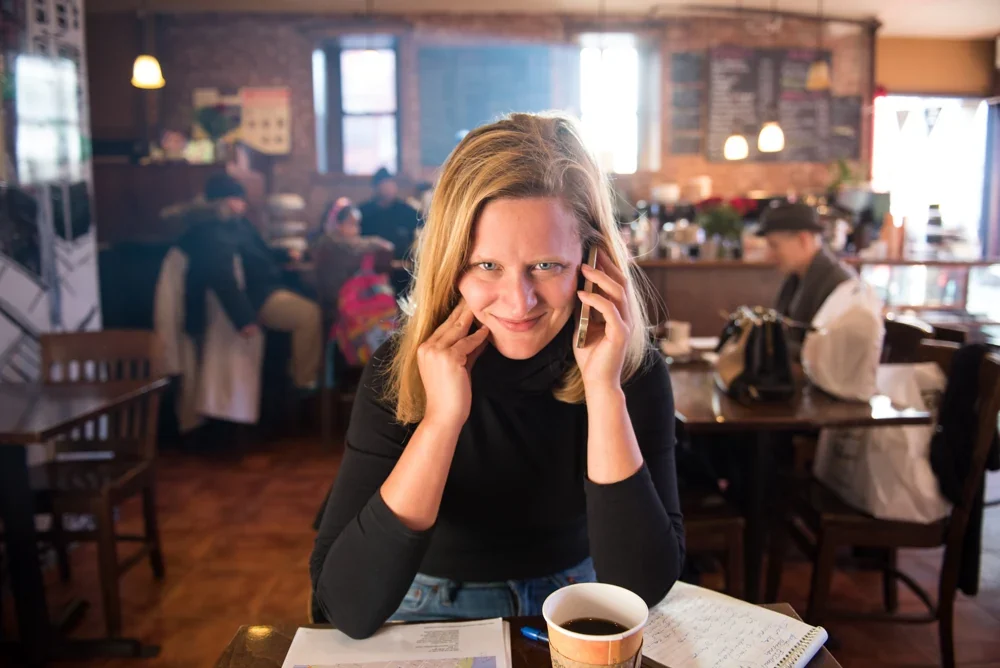
Investigative and data journalist
Her investigation for the New York Daily News with ProPublica exposed New York police use of eviction rules against hundreds of residents, most of them poor minorities. The newsrooms received the 2017 Pulitzer Prize for Public Service for these findings, with the official citation highlighting her reporting in particular. She later examined subjects including conflicts of interest in medical research and gaps in enforcement of gun regulations, comparing institutional safeguards with actual practice. Her methods combine large-scale data analysis with individual experiences, turning an administrative procedure into a comprehensible question of rights, accountability and unequal treatment.
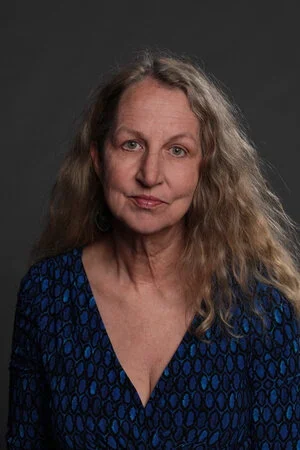
Investigative reporter and author
In Code of Silence she examined federal court employee Cathy McBroom's exposure of Judge Samuel Kent's sexual misconduct and the mechanisms protecting powerful people within the judiciary. Drawing on a decade of reporting, the book explores how secrecy and unequal workplace power obstructed accountability. Her other investigations have addressed corruption, neglected homicide cases, victim identification and wrongful imprisonment, combining documents with sustained work alongside witnesses. Her candidacy is suggested for persistent scrutiny of institutions meant to protect the public but themselves requiring oversight, using documents and the experiences of people affected by institutional failures.
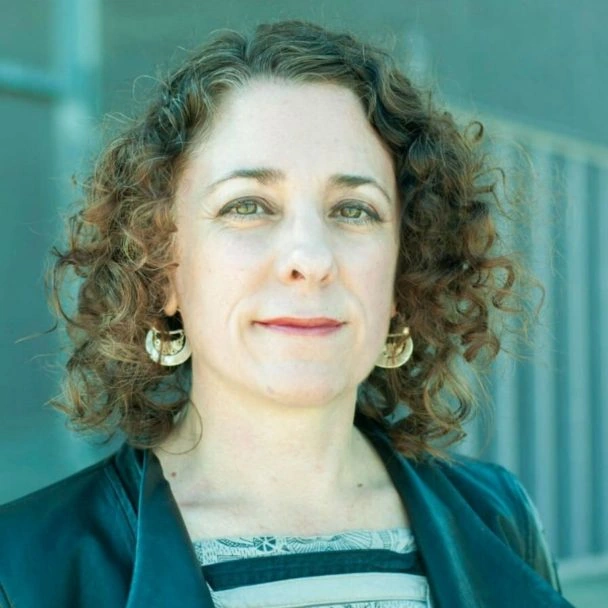
Co-founder of The Border Chronicle
She has covered the US–Mexico border since 1998, focusing on migration, border militarisation and the responsibility of enforcement agencies towards people outside the centre of public debate. In the Hillman Prize-winning Death on Sevenmile Road, she reconstructed a police helicopter shooting at a vehicle carrying migrants using footage and incident records. She also contributed to the collaborative Inside the Border Patrol investigation and a series on migrant deaths in South Texas, while Bloodlines examined a drug cartel's ties to horse racing. As co-founder of The Border Chronicle she continues to scrutinise border policy through community experiences and questions about violence, money and surveillance.
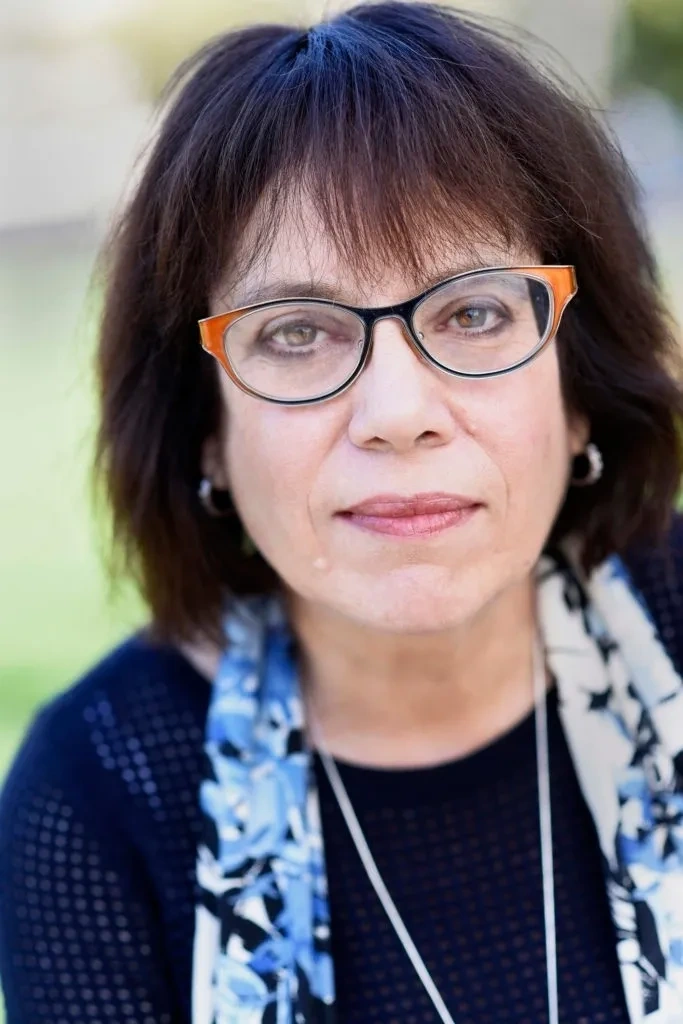
Science journalist and author; Pulitzer Prize winner
She received the 1992 Pulitzer Prize for reporting on ethical problems in primate research, addressing tensions between science, animal welfare and the public interest. In The Poison Squad and The Poisoner's Handbook she explored the history of toxicology, food safety and methods of detecting poisoning, connecting science with institutional responsibility. Her books and commentary examine situations where promises of progress must be weighed against risk, suffering and the quality of evidence. As a former director of MIT's Knight Science Journalism Program and founding publisher of Undark, she also supported science journalism capable of explaining difficult conflicts without reducing them to sensational contests of opinion.
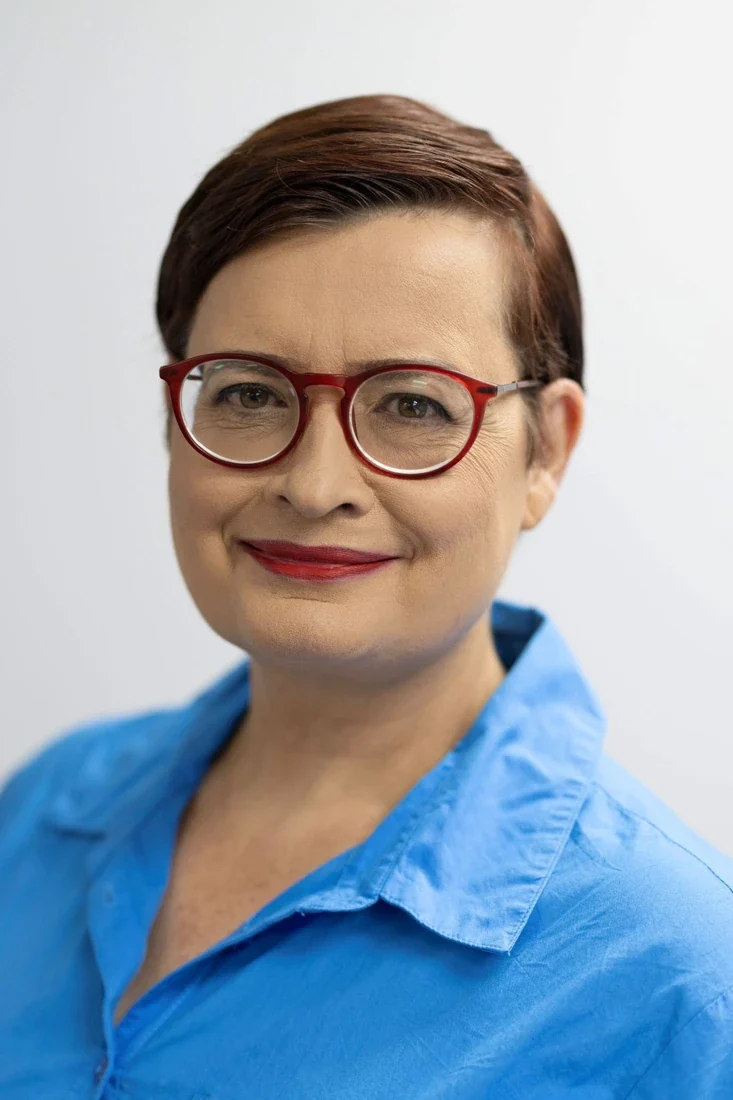
Founder and editor-in-chief, Bhekisisa
As Bhekisisa's founder and editor-in-chief, she connects health reporting with questions of power, inequality and the practical consequences of public decisions for patients. She co-authored reporting on the Life Esidimeni tragedy, including coverage of hearings about moving mental health patients into facilities unprepared to care for them. Her work also examines access to HIV prevention, service funding and disputes over health system reform, explaining the difference between a political promise and a functioning service. Her contribution includes developing a specialist newsroom and formats such as Health Beat, enabling broad audiences to follow complex health issues through evidence rather than declarations alone.
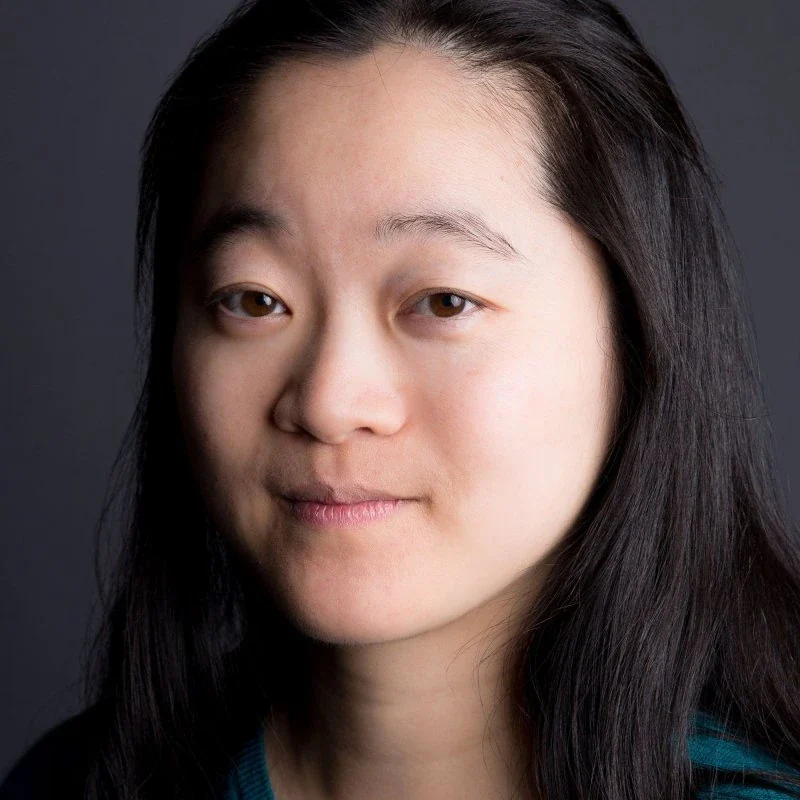
Environmental reporter; Pulitzer Prize co-winner
She helped produce InsideClimate News’s “The Dilbit Disaster,” which won the 2013 Pulitzer Prize for reporting on the Enbridge pipeline spill and contamination of the Kalamazoo River. The team showed that diluted bitumen behaved differently from conventional crude and that responders initially lacked information needed for an appropriate cleanup. Her subsequent reporting also examined Exxon’s history of climate research and later support for climate denial. These investigations confront a difficult accountability question: who bears responsibility for industrial risks when corporate assurances conflict with records and residents’ experiences.
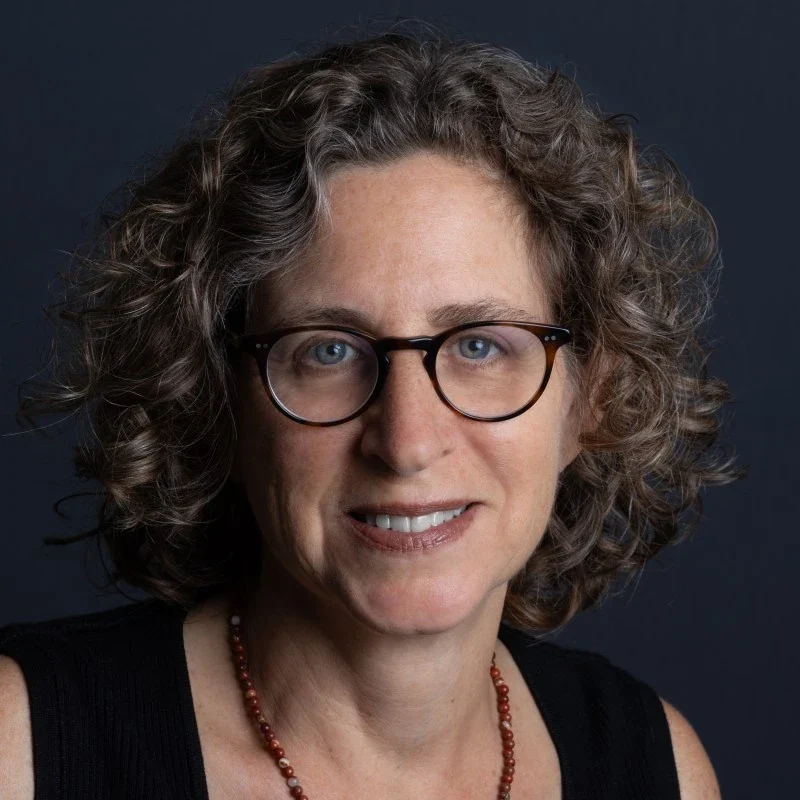
Investigative reporter, ProPublica
Her “Toxic Gaslighting” investigation, published by ProPublica and The New Yorker, reconstructed chemist Kris Hansen’s research into PFAS in human blood. Lerner described how people inside 3M responded to findings showing widespread exposure and how Hansen’s further research was curtailed. The story examines knowledge kept within a corporation, the communication of risk and responsibility towards people exposed to pollution. Her environmental reporting, repeatedly recognised by the Society of Environmental Journalists, confronts industrial interests with questions about public health and the oversight of chemicals.
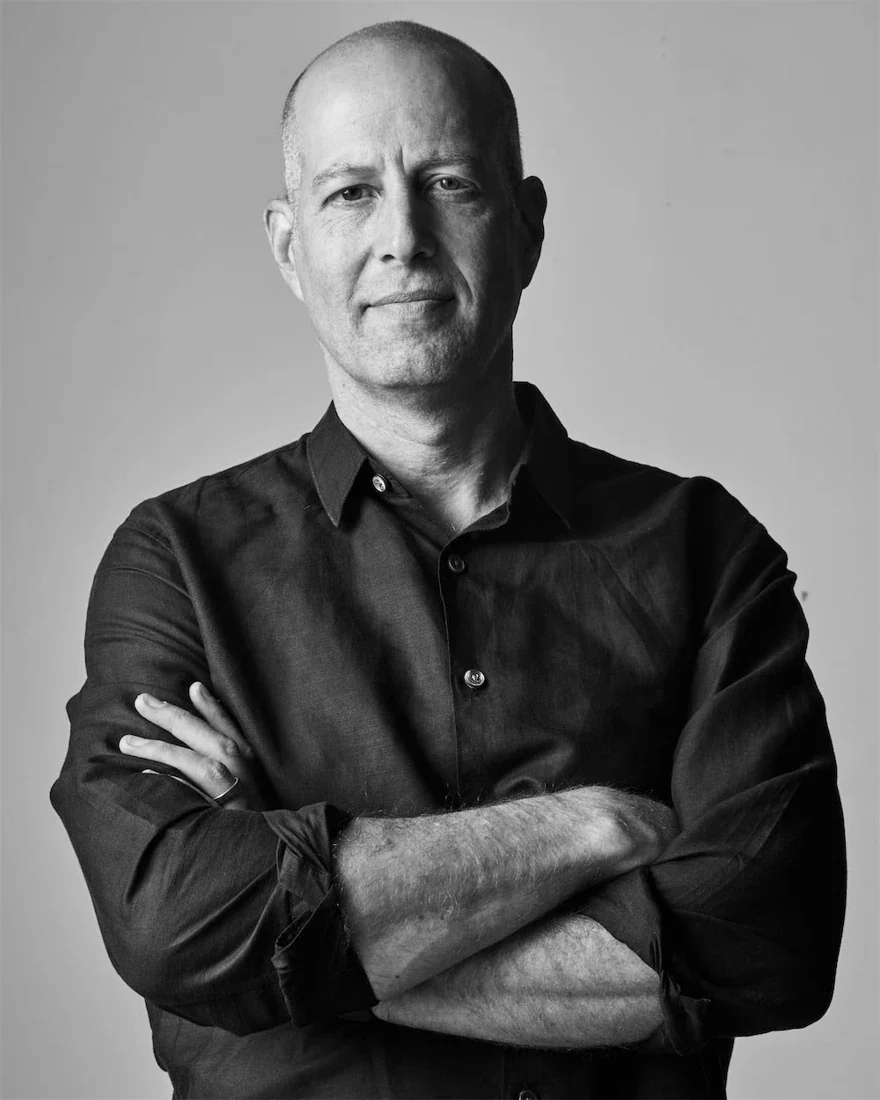
Investigative reporter and climate author
In “Killing the Colorado,” he investigated political decisions and water-management rules that deepen the American West’s water crisis. “Use It or Lose It” showed how historic water rights can encourage waste instead of conservation during drought. A separate investigation explained how treating groundwater and surface water as independent supplies produces misleading calculations of available resources. Rather than reducing scarcity to a weather story, his reporting directs attention to institutional responsibility and competing interests among agriculture, expanding cities and the protection of a shared resource.
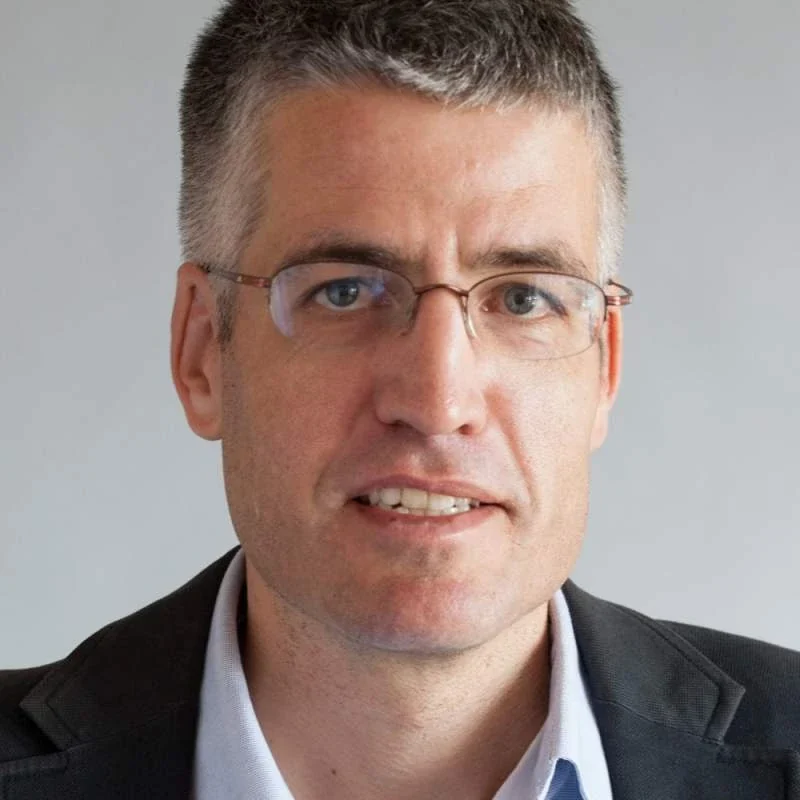
Investigative reporter and author
In his reported book “Fulfillment,” he examines how Amazon’s expansion affects American cities, employment and regional inequality. He connects warehouse workers, small businesses and residents with the growth of data centres and logistics infrastructure. The book also examines the politics of economic concentration, including lobbying, tax incentives and relationships between large companies and government. Its challenging question concerns the price of convenient shopping: who benefits from the digital economy, and who bears the costs when secure employment and local communities lose ground?
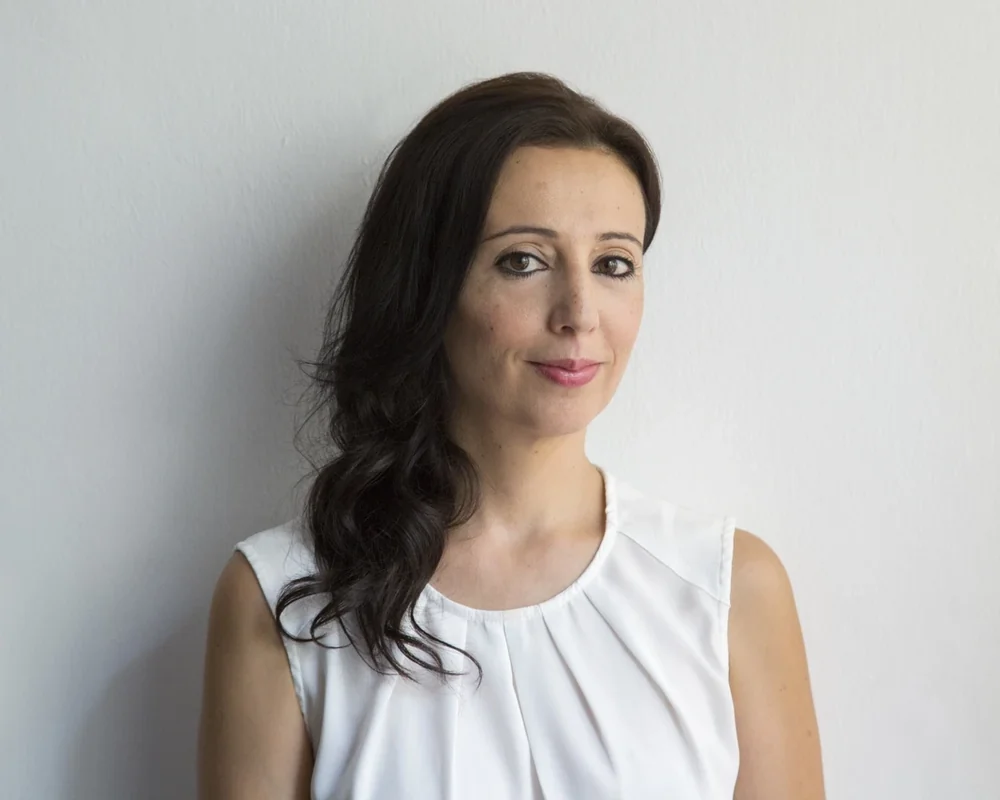
International reporter and author
“No Turning Back” draws on more than five years of reporting on Syria’s war and follows people caught in the country’s fragmentation. Abouzeid examines repression under Bashar al-Assad, the radicalisation of parts of the rebellion and the rise of Islamic State. She also reconstructs covert arrangements and foreign interests that influenced the conflict, resisting a single simplified narrative of winners and losers. Her contribution combines detailed political reconstruction with the experiences of civilians, prisoners and families whose lives were transformed by the war.
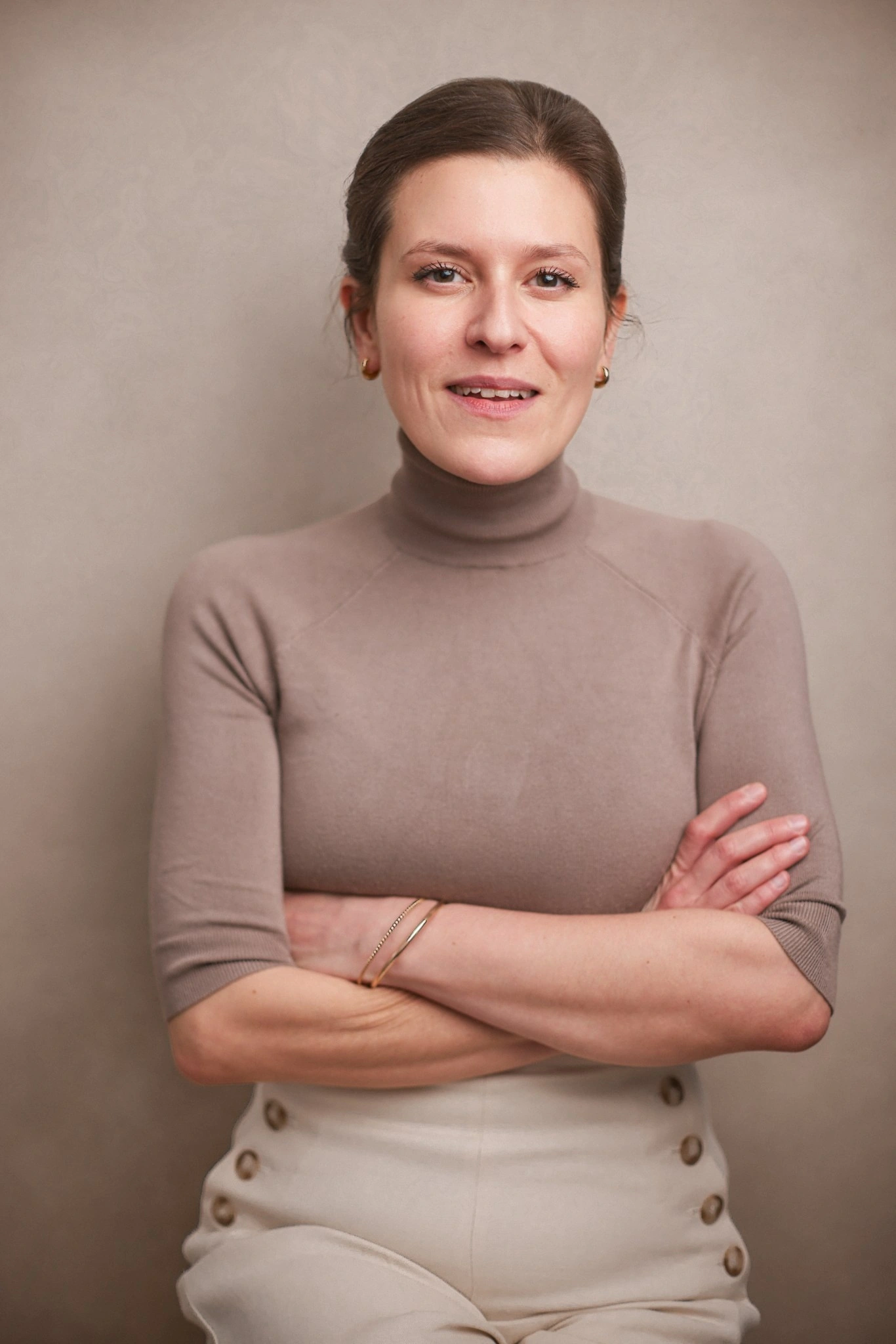
Special correspondent, PBS NewsHour
Her PBS NewsHour reporting documents conflicts in the Middle East and Africa through the experiences of people living on the front lines. She covered the aftermath of the October 7, 2023, attacks and investigated human rights abuses in Jerusalem and the West Bank. Her work also examined the growth of Palestinian armed groups in Jenin and Nablus and anti-government protests in Israel. In reporting on Sudan’s civil war, she followed families seeking sanctuary, connecting political conflict with displacement and the dangers faced in everyday life.
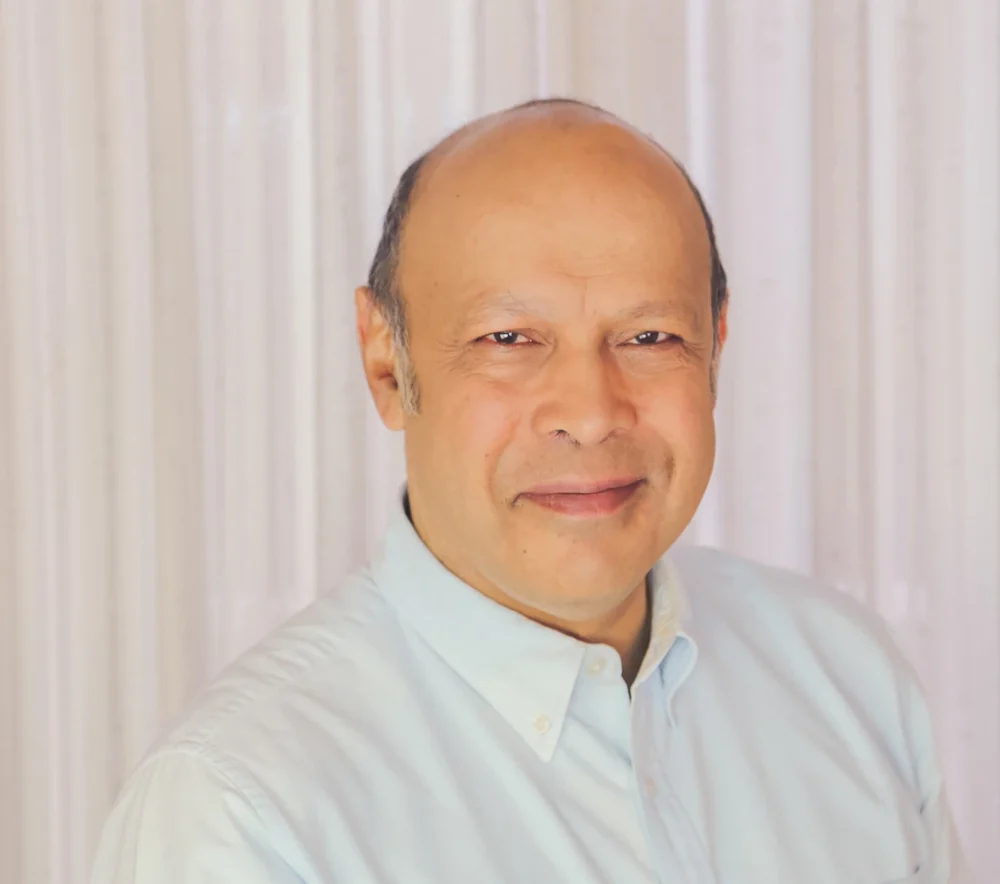
Science correspondent, BBC
As a BBC science correspondent, he covered milestones from Dolly the sheep to gravitational waves and the discovery of the Higgs boson. His reporting also addresses disputes over genetic modification, cloning and the social consequences of emerging technologies. In 2010, he interviewed stem-cell researchers who alleged that influential reviewers blocked competitors’ work; these were scientists’ allegations, disputed by a journal representative. Such reporting scrutinises science’s own quality-control mechanisms and demonstrates why institutional authority cannot replace questions about evidence, fairness and how scientific claims reach the public.
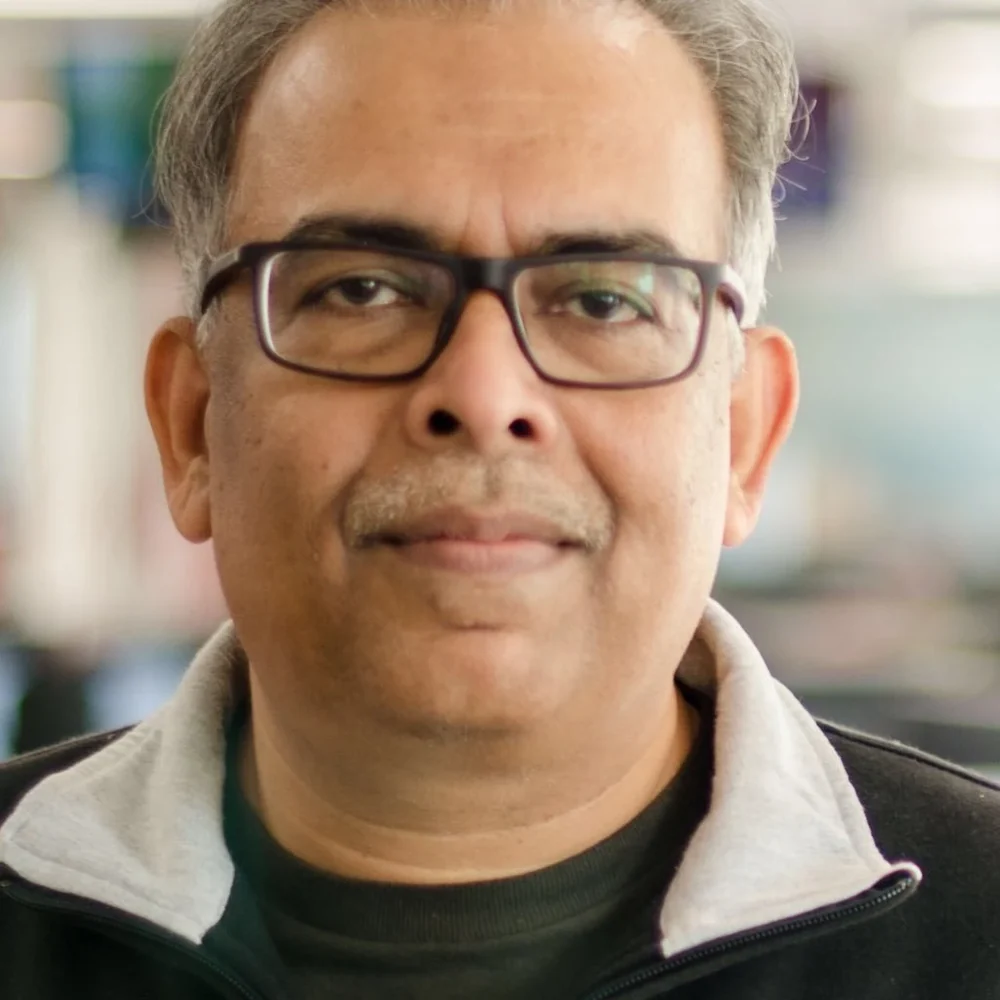
BBC journalist covering India
His journalism about India combines field reporting with social analysis rather than relying only on official statements and political slogans. The Reuters Institute highlighted his reporting from Kashmir, where he described communities living through internet shutdowns and strict curfews. As a Knight Visiting Nieman Fellow at Harvard, he researched digital and non-digital methods of countering false information in India. Together, these activities show two aspects of his contribution: documenting how government decisions affect ordinary residents and exploring ways to help audiences navigate a polarised information environment.
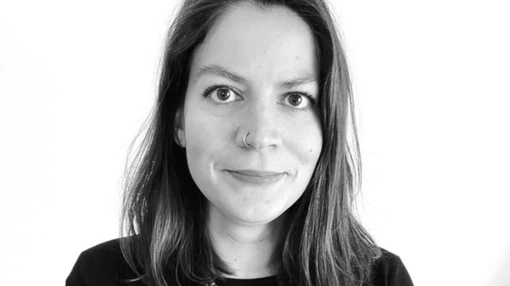
Investigative journalist, The Black Sea
She helped initiate “Malta Files,” an international investigation into companies and wealthy clients using Maltese tax structures. The European Investigative Collaborations project brought together more than 40 journalists in 16 countries and was nominated for the 2018 European Press Prize. It examined offshore links involving Turkish elites and mechanisms allowing tax liabilities to be shifted away from countries where business was conducted. Her work at The Black Sea also covers human rights, workers’ rights and military affairs, asking accountability questions where political influence intersects with commercial interests.
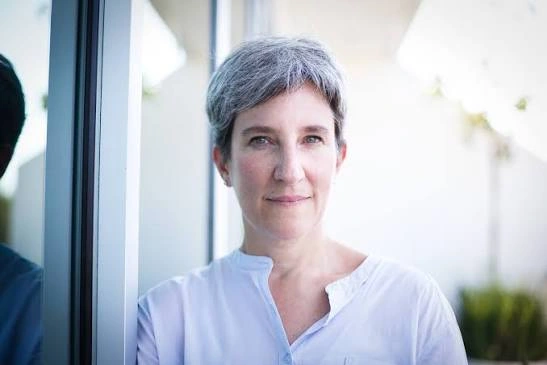
Quinto Elemento Lab co-founder; Pulitzer Prize winner
Working with David Barstow, she investigated corruption accompanying Walmart’s expansion in Mexico for The New York Times. The reporters compared government records, permits and internal correspondence with accounts from people familiar with the transactions. Their publications examined suspect payments, permissions to build stores and the handling of the company’s internal investigation. They jointly received the 2013 Pulitzer Prize for Investigative Reporting, recognising a team effort whose importance lies in scrutinising relationships among a global corporation, local officials and the public interest through detailed documentary reporting.
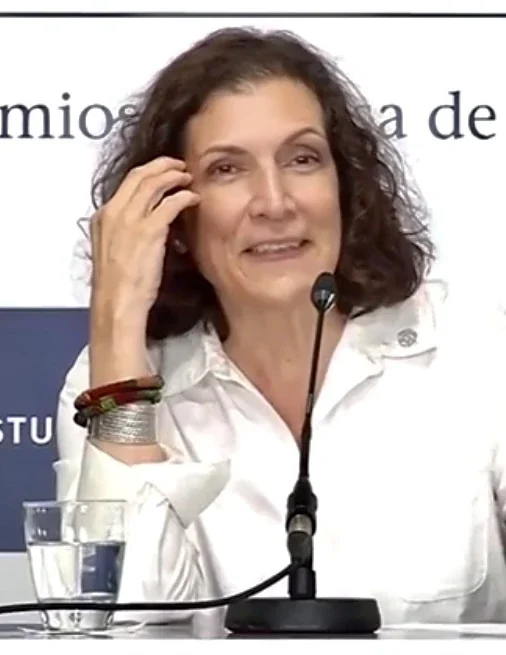
Reporter and author covering Latin America
Alma Guillermoprieto was one of two reporters who revealed the massacre of civilians at El Mozote in El Salvador in 1982. Her Washington Post reporting challenged official accounts of the army’s conduct, and details were later corroborated by the discovery of mass graves. She also covered state terror in Argentina, Peru’s Shining Path, and conflict and drug trafficking in Colombia. Her narratives connect political violence with the everyday experiences of people living through it. This record supports her consideration for documenting facts that those in power would rather leave unexamined.
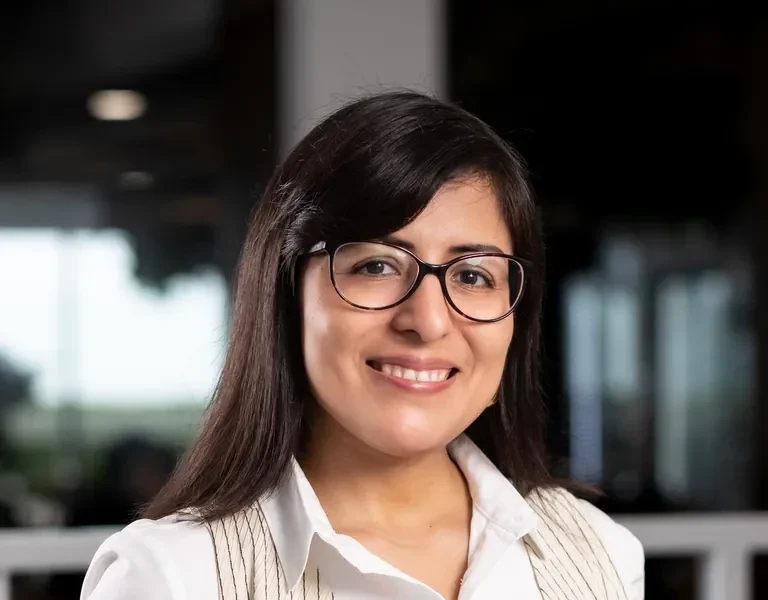
Founder and director, Salud con lupa
Fabiola Torres founded Salud con lupa, a newsroom examining public health, inequality and the interests shaping healthcare. As an ICIJ member, she contributed to the collaborative Panama Papers, Paradise Papers and Implant Files investigations, addressing financial secrecy and medical-device safety among other issues. Her “El Otro Perú” project documented the pandemic’s effects on Indigenous communities in the Peruvian Amazon. She also helped produce the award-winning “Redes de Nicotina: nuevos productos, viejas tácticas” investigation. Her proposed candidacy rests on examining how institutional and corporate decisions affect people whose health concerns are often overlooked.
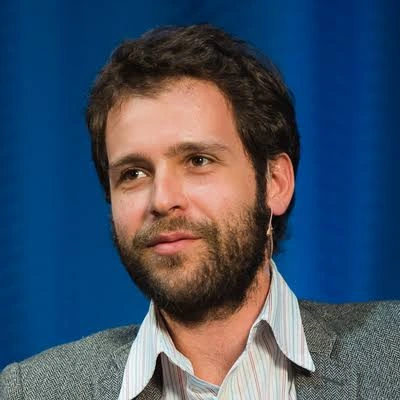
Environmental journalist; InfoAmazonia founder
Gustavo Faleiros co-founded InfoAmazonia, combining satellite imagery, open data and reporting on environmental change across nine Amazon countries. Rather than relying only on official statements, he developed mapping tools that help reporters examine changes on the ground. He also established citizen contributions on water and air quality and supported training in geojournalism. From 2020 to 2025, he directed environmental investigations at the Pulitzer Center and coordinated its Rainforest Investigations Network. His contribution lies in building verifiable tools for reporting on pressure on forests and supporting international teams investigating that pressure.
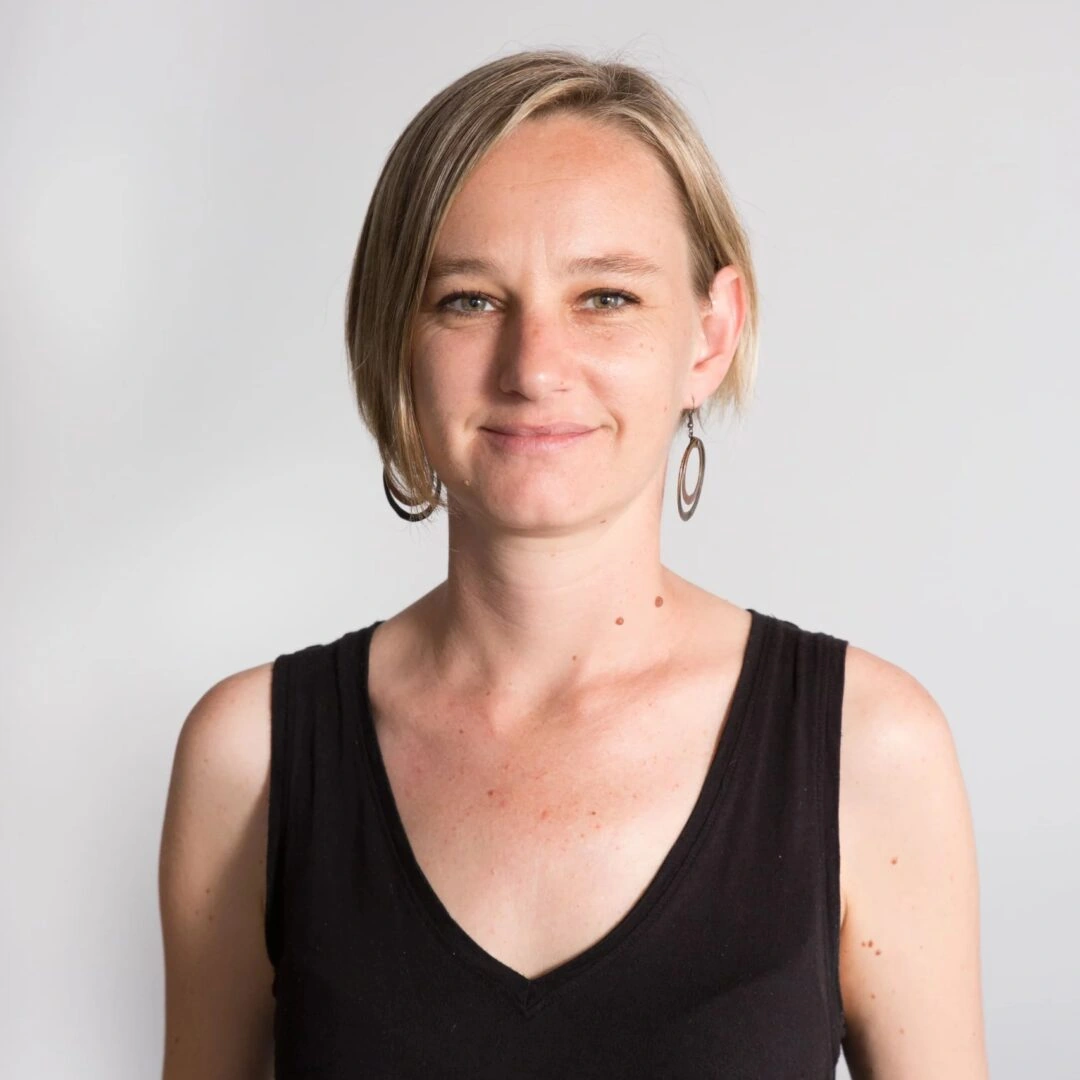
Journalist associated with Chequeado
Olivia Sohr helped develop Chequeado from its beginnings and coordinates projects within the regional LatamChequea network. Her work includes examining election disinformation, false fraud allegations and content designed to confuse voters. Her publications also address online violence against journalists and generative AI used to provoke outrage about migrants and demonstrations. She connects fact-checking with analysis of how manipulation spreads, rather than only labelling individual posts false. Her record supports consideration for building collaboration that allows similar misleading narratives to be investigated across national borders.
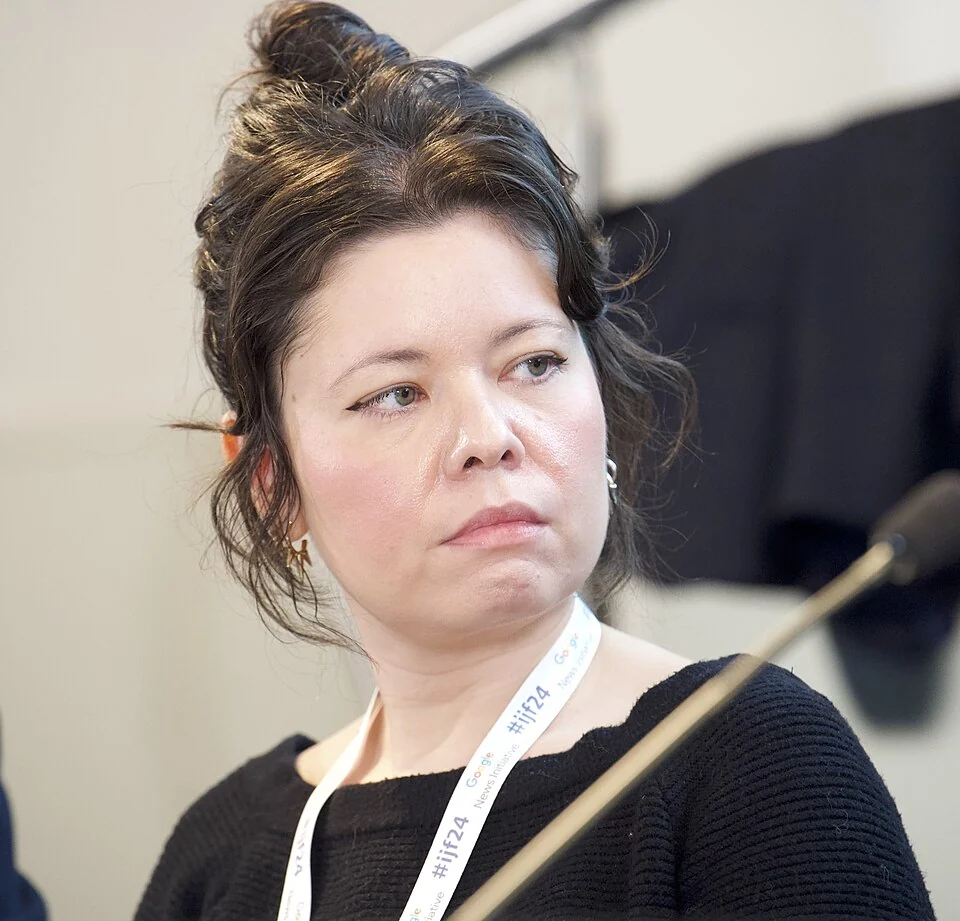
Co-founder and executive director, Aos Fatos
Tai Nalon co-founded Aos Fatos in 2015 to make scrutiny of public statements a permanent practice rather than an election-only exercise. Under her leadership, the newsroom combined fact-checking with investigations into organised disinformation and the work of developers and data analysts. Its Radar tool helps trace misleading narratives across platforms, including those involving elections and the pandemic. The team also developed Fátima, a bot helping audiences find published verification. Her proposed candidacy recognises both difficult political reporting and practical tools that reveal how manipulation is produced and amplified.
Chief executive officer, Lupa
Natália Leal led Lupa’s team during intense COVID-19 disinformation in Brazil. The newsroom checked false stories about empty coffins and distorted comparisons of death figures, including narratives amplified by political figures. She initiated “No Epicentro”, a visualisation making the death toll more understandable by placing it within the user’s neighbourhood. She also developed “Digital Democracy”, which brought election fact-checking to communities underserved by news media. Her proposed candidacy rests on consistently testing prominent claims against evidence and finding accessible ways for audiences to understand the underlying data.
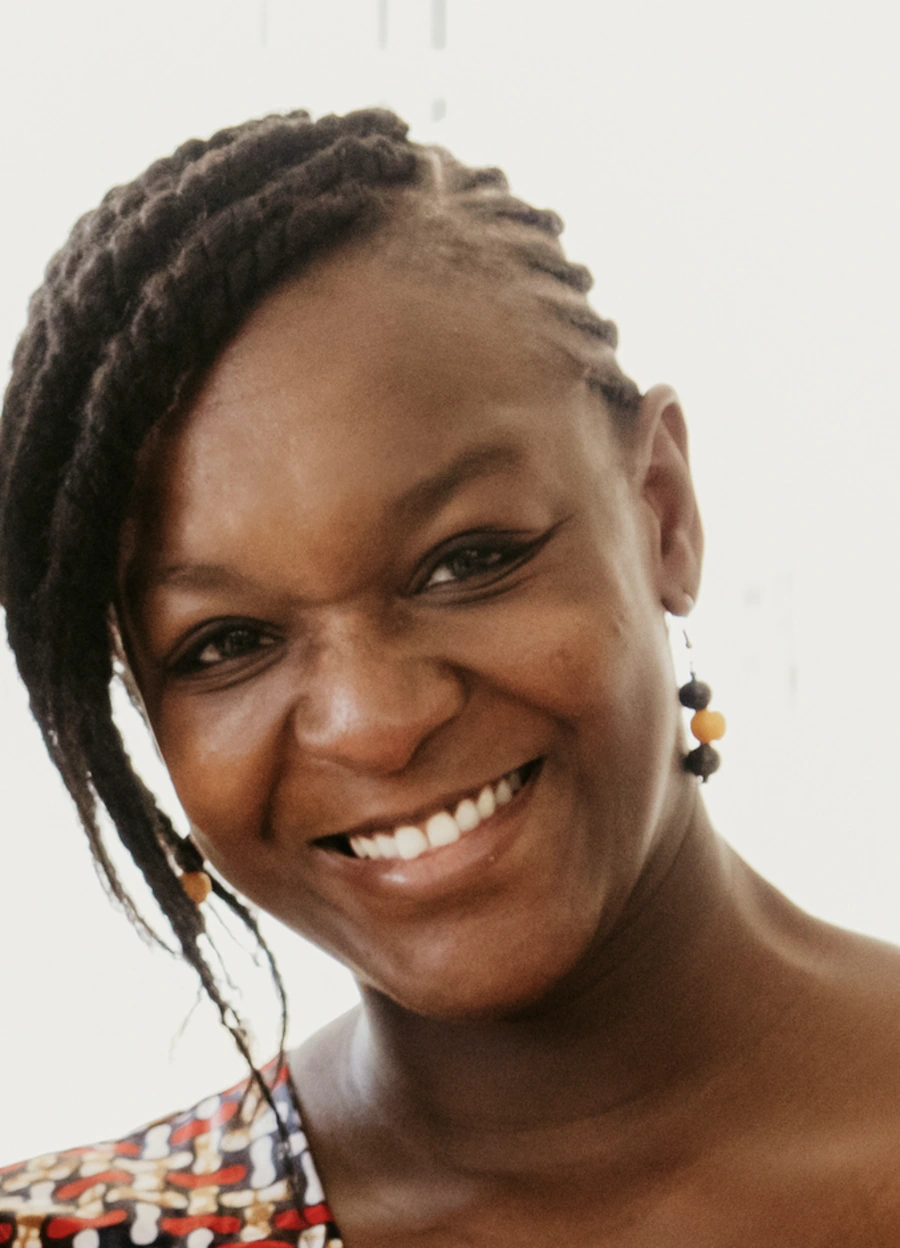
Southern Africa bureau chief, Financial Times
Monica Mark has reported on conflict, power and social change across Africa and covers the continent’s south for the Financial Times. Her 2014 reporting on the Chibok schoolgirl abduction reconstructed Boko Haram’s attack through witnesses and people within the security system. It examined confusion and contradictions in the official response rather than simply repeating government statements. Her later coverage has also addressed violence against women, anti-migrant tensions and Johannesburg’s governance. This record connects major political developments with the experiences of people living with the consequences of conflict and institutional failure.
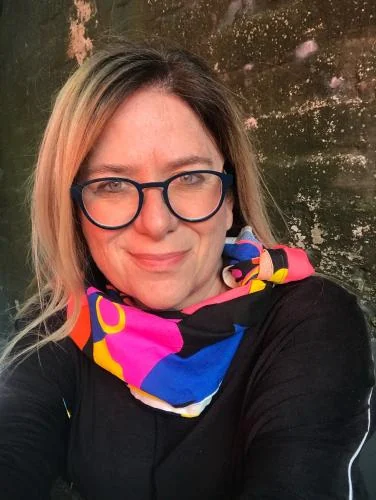
Science and health journalist; media trainer
Ida Jooste combines health journalism with training reporters to cover crises accurately. At Internews, she played a leading role in a global COVID-19 media initiative, helping newsrooms explain evolving science and respond to misinformation. Her expertise includes HIV, reproductive rights and the social consequences of stigma. She also moderated “The COVID-19 Story: Science, Scandal, Solutions”, bringing scientific reporting together with investigative questions about accountability. Her proposed candidacy recognises the reporting skills she develops to scrutinise institutional promises and explain health risks without sensationalism or unwarranted certainty.
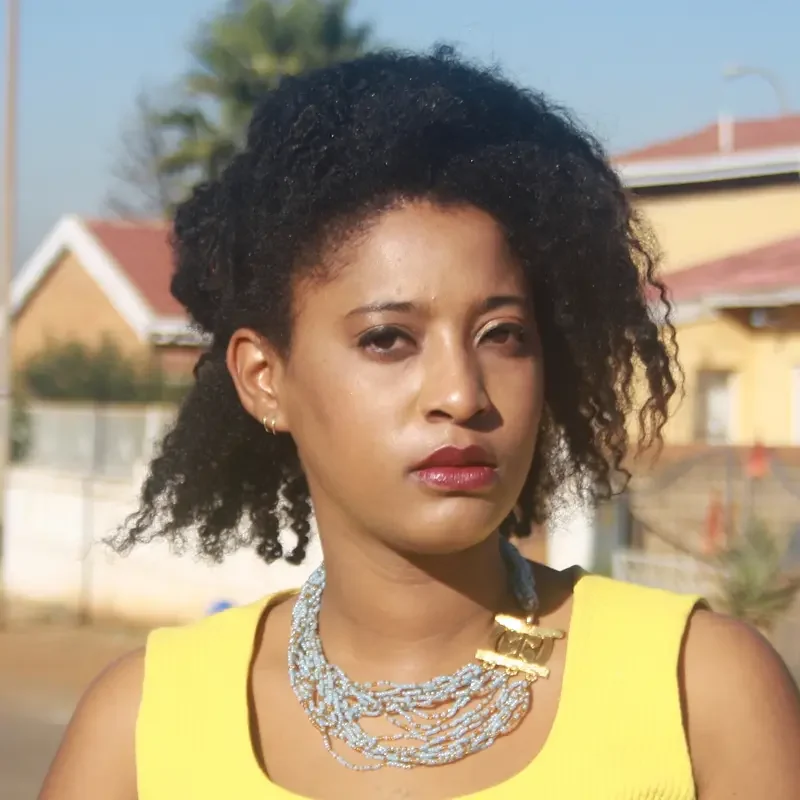
Reporter covering southern Africa
Lynsey Chutel covers southern Africa by connecting political news with social and cultural context. Reporting associated with the IWMF initiative examined dangers surrounding the collection of statistics and the Democratic Republic of Congo’s loss of control over its textile industry. With Tessa Dooms, she wrote “Coloured: How Classification Became Culture”, exploring identity and the legacy of racial classifications in South Africa. The book also examined the wider context of Nathaniel Julies’s death in 2020. Her proposed candidacy recognises reporting that shows how inequality and institutional decisions affect particular people’s everyday lives.
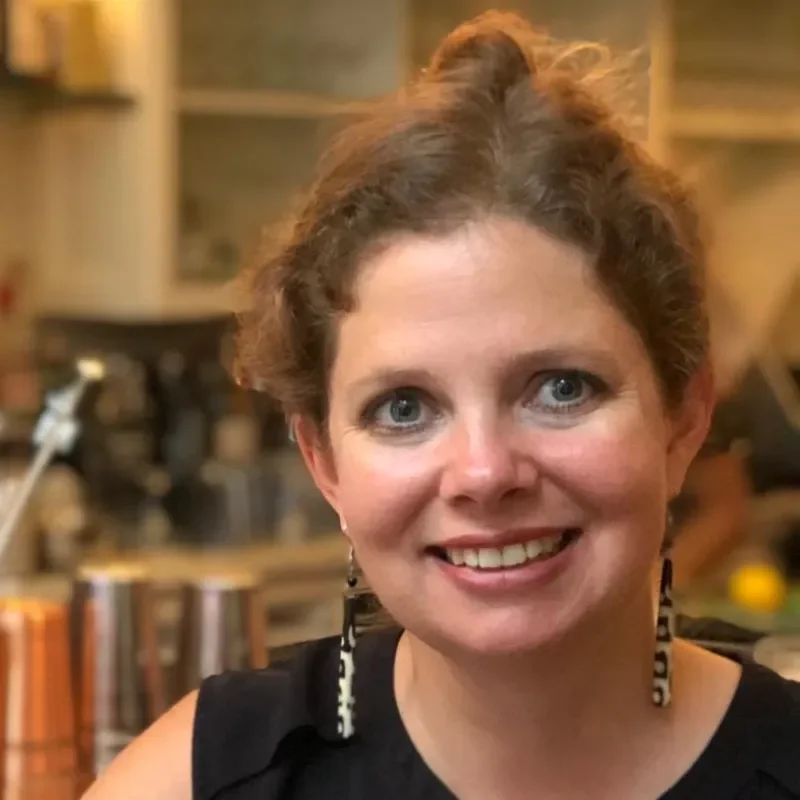
Correspondent covering Africa
Kate Bartlett covered Zimbabwe’s military coup, hunger and child soldiers in Congo, and Jacob Zuma’s departure and trials in South Africa. Earlier, while working in Cambodia, she reported on the tribunal trying senior Khmer Rouge leaders. Her experience connects field reporting with examination of institutions tasked with accountability for violence. For VOA, she also explored Chinese-US competition for influence in the Seychelles and the effects of climate change on island communities. Her proposed candidacy rests on explaining difficult conflicts and geopolitics through local experience rather than government declarations alone.
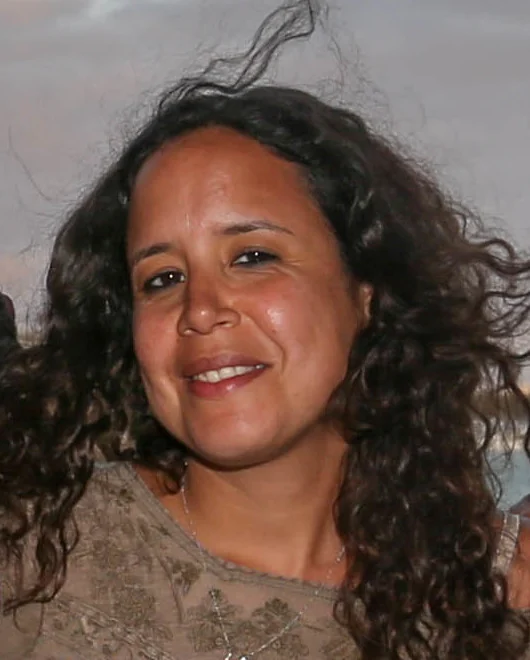
International reporter; contributor to The New York Times
Aida Alami reports on migration, racism, religion and human rights, connecting experiences in North Africa, Europe and the United States with their political context. In an IWMF-supported project, she examined Muslim communities' place in American public life, giving space to people often viewed through stereotypes. She contributed to “Our Women on the Ground”, a collection in which Arab women journalists describe their work and experiences of reporting the region. As a visiting professor at Columbia Journalism School, she addressed freedom of information, open data, digital surveillance and security, connecting reporting with questions about free expression.
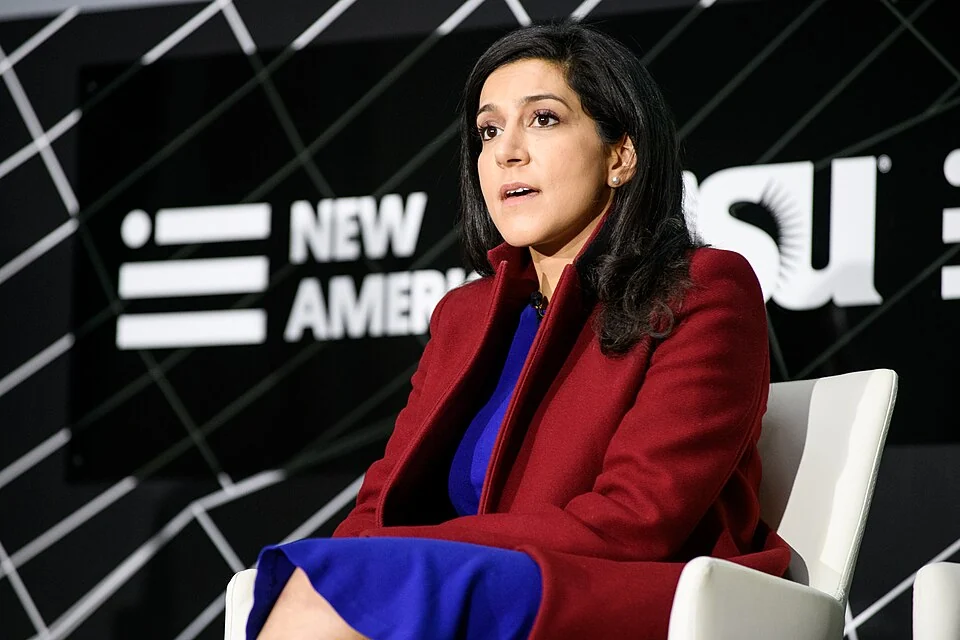
Investigative reporter; professor at Columbia Journalism School
Azmat Khan investigates the human costs of war by comparing military accounts with documents and testimony from people affected by airstrikes. Her “The Civilian Casualty Files” series developed over more than five years and included fieldwork at the sites of over a hundred incidents in Iraq, Syria and Afghanistan. She used more than 1,300 formerly secret military records obtained through a legal battle with the Pentagon, alongside local and military interviews. The work, recognised in the New York Times' 2022 Pulitzer, demonstrates the importance of sustained scrutiny of official accounts concerning civilian protection and wartime accountability.
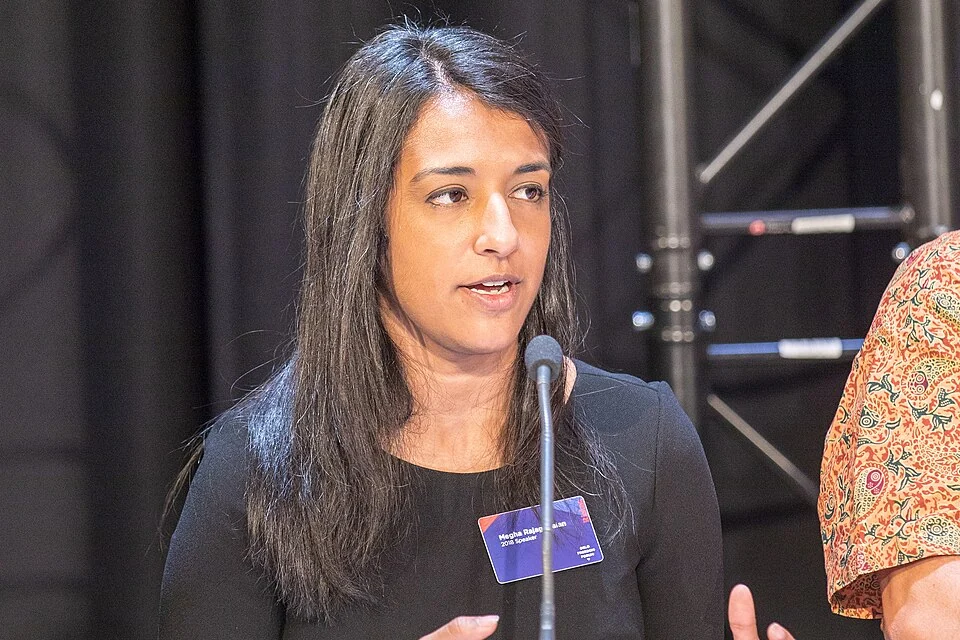
Investigative reporter; Pulitzer Prize co-winner
Megha Rajagopalan co-produced BuzzFeed News' investigation documenting the expansion of infrastructure for the mass detention of Muslims in China's Xinjiang region. The team combined satellite imagery, architectural analysis and interviews with roughly two dozen former prisoners rather than relying solely on official statements. Its reporting addressed both the system's physical scale and the experiences of people held there, as well as factories within detention compounds. Alongside Alison Killing and Christo Buschek, she received the 2021 Pulitzer for this series, recognising a shared reporting, spatial and analytical effort on a subject exceptionally difficult to access.
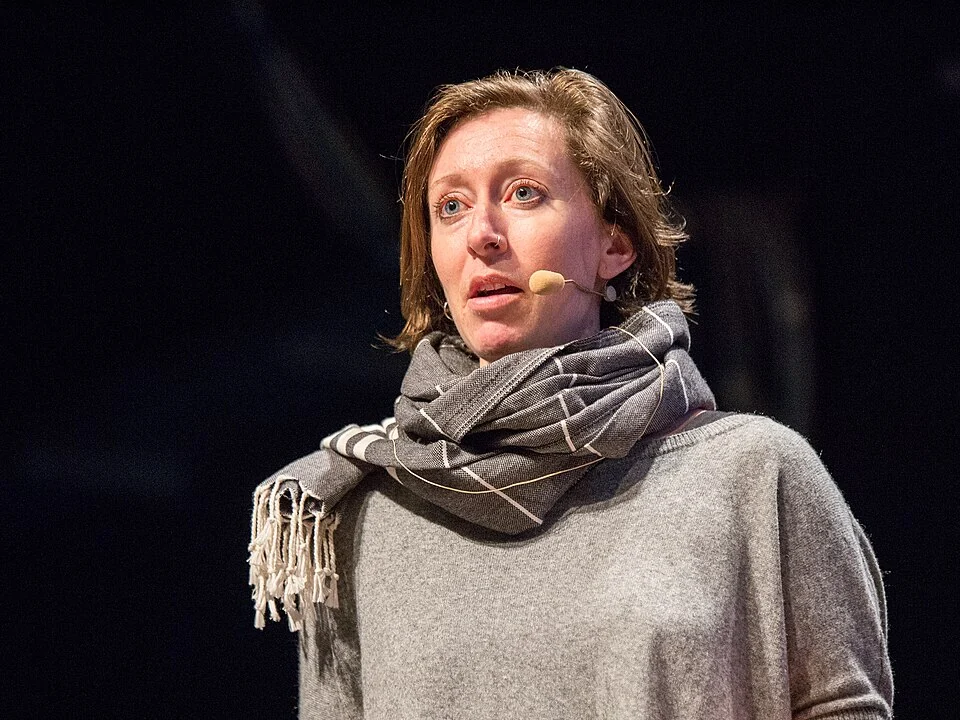
Visual investigations journalist and architect
Alison Killing applies architectural expertise, geospatial analysis and three-dimensional modelling to issues that cannot be understood through officials' statements alone. She co-produced BuzzFeed News' investigation into Xinjiang's detention camp network, sharing the 2021 Pulitzer with Megha Rajagopalan and Christo Buschek. Her projects also include “Migration Trail”, a mapped, data-based account of migration to Europe, and research into Haiti's reconstruction after the 2010 earthquake. Through lectures and workshops, she shares open-source methods with others, demonstrating how the built environment can become evidence in a journalistic investigation rather than simply its setting.
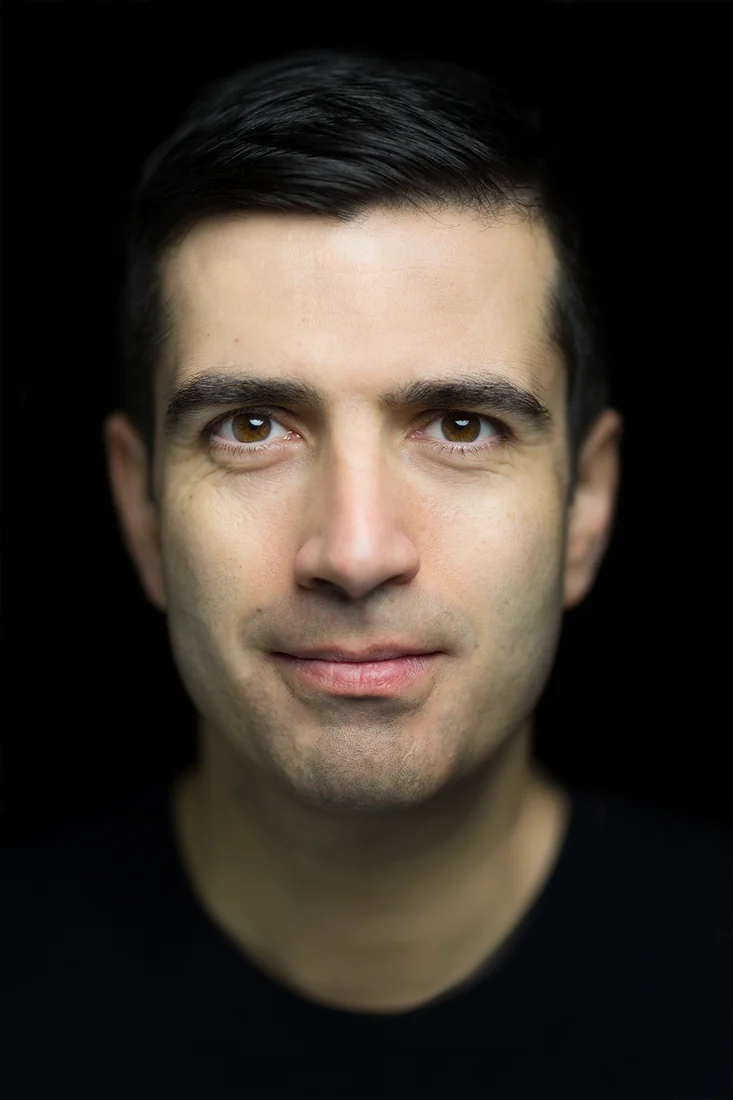
Data journalist and programmer; Pulitzer Prize co-winner
Christo Buschek combines programming with investigative journalism, developing tools to examine large datasets and document human rights abuses. He was part of the BuzzFeed News team whose investigation of Xinjiang's detention camps received the 2021 Pulitzer. Through his Mozilla-related work, he focuses on AI training datasets, their origins, errors and biases rather than stopping at manufacturers' promises. In public discussions and interviews, he advocates scrutiny of models, benchmarks and the interests behind technology, extending investigative methods to algorithmic systems that increasingly shape the information available to the public and the decisions made around it.
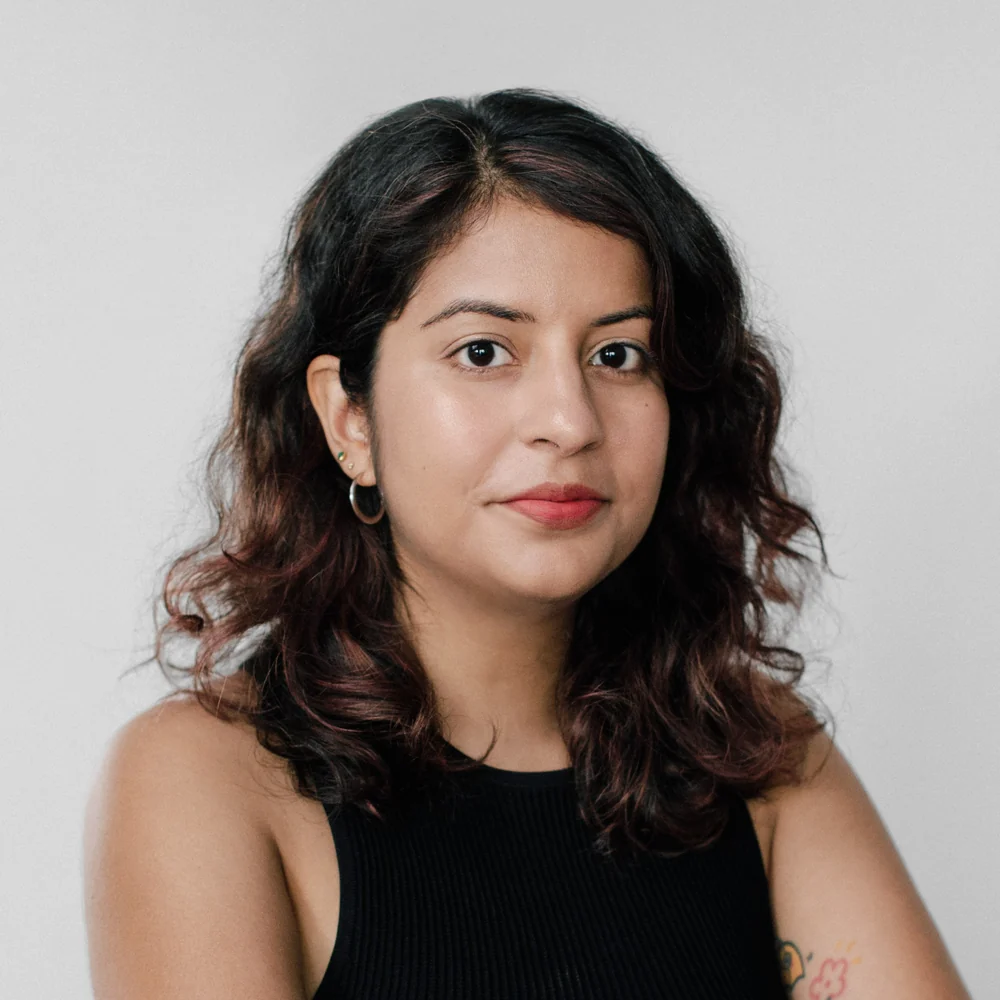
International investigative correspondent
Shibani Mahtani documented Hong Kong's protests and political transformation, paying particular attention to institutional accountability and residents' experiences. Her investigation into police misconduct received a Human Rights Press Award, while her regional reporting developed through work for the Washington Post and Wall Street Journal. With Timothy McLaughlin, she wrote “Among the Braves”, an account of the pro-democracy movement, the 2019 protests and subsequent repression and exile. The book follows individual activists, connecting the political struggle over the city's future with the personal cost of losing freedoms and building a life away from home.
Journalist covering China
Lily Kuo has reported on China, Taiwan and emerging markets through work including Reuters and Quartz. She reported from the field on Xinjiang's camps. She also covered findings about digital tracking of residents there. As an ICFJ “Bringing Home the World” fellow, she examined the socio-political and environmental effects of a multibillion-dollar Chinese water infrastructure project, focusing attention on the costs of major developments for people and their surroundings. Her reporting experience and international affairs training provide a basis for explaining issues where official arguments about development and security meet questions about residents' rights and public scrutiny.
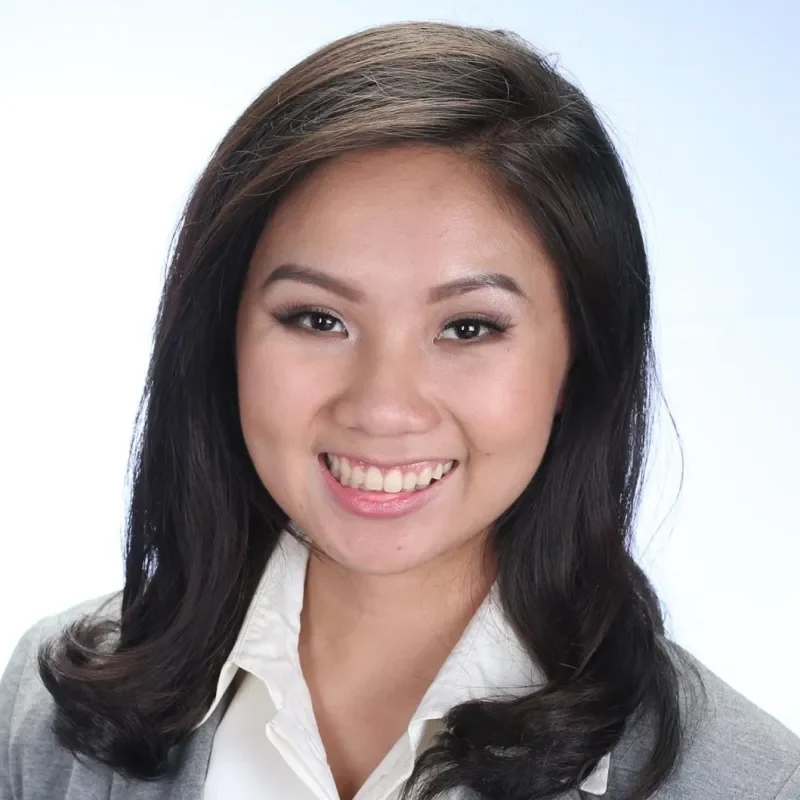
Freelance reporter covering the Philippines
Regine Cabato investigates disinformation, violence and political influence in the Philippines, combining field reporting with observation of online manipulation. She gained firsthand access to work inside a troll farm and reported on influence campaigns surrounding the 2022 presidential election. She also covered drug-war killings and spent a year following a rape case against a priest, examining survivors' experiences and institutional responses, with particular attention to the relationship between survivors and the justice system. At the Reuters Institute, she developed a project exploring how journalists can report more effectively on malign influence campaigns and better protect themselves against their effects.

Journalist and interviewer; Polish Journalist of the Year 2008
Bogdan Rymanowski has developed political interviewing and biographical conversation, receiving Poland's Journalist of the Year title in 2008 through a vote by newsrooms. In “Ubek”, he addressed the difficult subject of a former security service officer's responsibility and reckoning with harm inflicted on others. In “Dopaść Morawieckiego”, he reconstructed Kornel Morawiecki's life through interviews, recollections and documents, examining a figure who attracted sharply contrasting assessments. His work returns to questions about the reliability of memory, the role of witnesses and the possibility of examining difficult history through conversations with its participants.
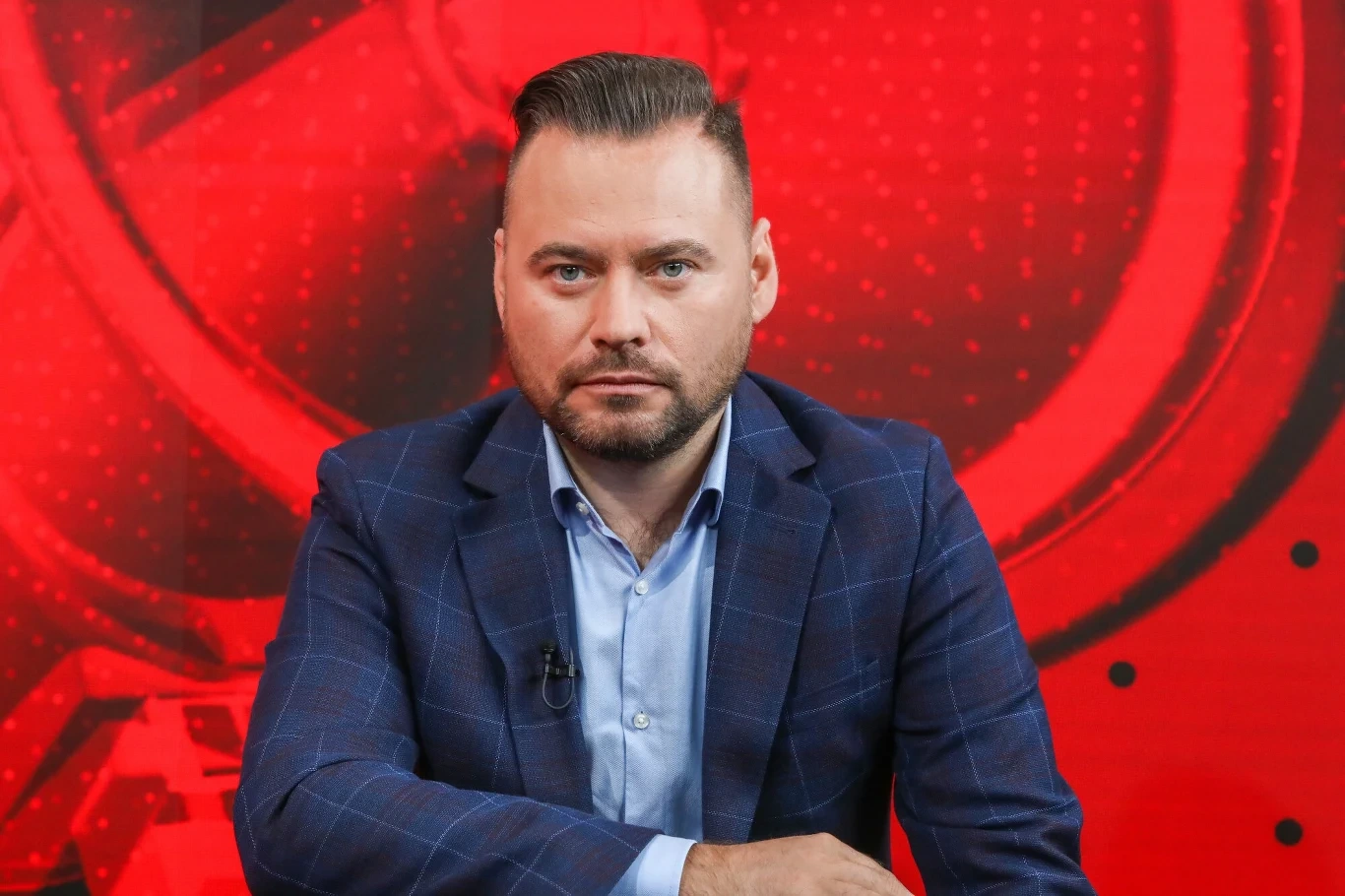
Journalist and media creator; founder of Weszło and Kanał Zero
Krzysztof Stanowski founded Weszło and created Kanał Zero, combining sports journalism, commentary and video formats aimed directly at online audiences. His authored commentaries have addressed club management's accountability, relationships between owners and staff, and the connections between sport and business, including a March 2023 article about Motor Lublin. Kanał Zero, officially launched in February 2024, extended this media activity into further formats and publishing platforms. A candidate suggestion can therefore concern particular publications and working methods, while clearly distinguishing verifiable findings from opinion and assessing the reporting separately from the author's popularity or the size of his audience.
No results. Try another search.
05 / PARTICIPANT DOCUMENTS
2027 edition, version 1.2 of 25 October 2026. Three jury and two audience nominations. These documents replace version 1.1.
Eligibility, three jury and two audience nominations, vote limits, ties, objections and data protection.
A practical checklist of works, participation confirmation, the reader’s two choices, dates and contact.
06 / SUBMIT A CANDIDATE
You may submit yourself or someone else, including a person outside the suggestions list. Entry is free. Prepare 2–3 works and the candidate’s confirmation of participation.
Launch: 1 November 2026, 00:01
The form prepares a message in your email application. You must send it and attach the candidate’s confirmation. Do not include private data or confidential source information.
During the call, a complete submission may also be sent directly to redaktor@truthmagazine.pl. Verification is ongoing. Missing information and participation confirmation must arrive by 12 January 2027, 23:59:59.
The controller is the organiser identified in section 1. Privacy contact: support@truthmagazine.pl. We process sender and candidate names or professional names, professional contact details, country and language, work descriptions and links, correspondence, assessments and outcomes. Sources are the sender, candidate and public professional material. Where obtained indirectly, notice is given at first contact, within one month at the latest and before first disclosure to another recipient, unless a documented legal exception applies.
Purposes are handling submissions, verification, communication, fair selection and documenting the process. The basis is the organiser’s legitimate interest in running an honorary distinction (Article 6(1)(f) GDPR), subject to necessity and rights balancing. Optional promotional material and portraits require a separate basis, including consent where applicable (Article 6(1)(a)) and image-rights arrangements. Decisions are not made solely by automated means and candidates are not profiled.
Access is limited to authorised secretariat staff, unconflicted jurors and reviewers, and email, hosting and infrastructure providers as necessary. Contact details, submissions and individual assessments are not public. International services may involve processing outside the EEA; information on actual transfers and applicable safeguards is available from the controller. Further infrastructure information: truthmagazine.eu/polityka-prywatnosci/.
Unaccepted and withdrawn submissions are deleted within three months after edition-related proceedings end. Scorecards and minutes are retained for up to three years and a minimal recipient register for up to five years, followed by a necessity review. Consent-based material is kept until consent withdrawal or the agreed purpose ends. Necessary records relating to a specific dispute are kept for the justified period required by the matter or law.
Voting uses an account identifier and verified email only for sign-in and eligibility checks; a separate ledger contains pseudonymous identifiers derived with a server key, selected candidates, time and rules version. Account service relies on Article 6(1)(b), and voting integrity and abuse checks on Article 6(1)(f) GDPR. Choice and alias records are kept until 15 April 2027, including after profile deletion, to prevent quota reuse; thereafter aliases are deleted and only totals without voter identifiers remain. Only authorised technical staff and people examining a specific complaint may access choices. A public profile is not required. Separate dispute correspondence is kept for a justified handling period.
Subject to GDPR conditions, individuals have rights of access, rectification, erasure, restriction, objection and, where applicable, portability. Consent may be withdrawn without affecting prior lawful processing. A complaint may be lodged with Poland’s President of UODO (uodo.gov.pl). Providing data is voluntary, but a submission cannot be handled without the necessary minimum. Withdrawal does not automatically erase all lawfully published journalism or third-party copies.
07 / JURY AND RECIPIENTS
The organiser appoints five jurors and at least two substitutes. Names and roles will be published before the call opens. Each candidate requires at least three unconflicted assessments. Membership has not yet been announced.
Recipients and reasons are scheduled for 15 January 2027. No official nominees or recipients have been announced. The title recognises specified work; it does not certify infallibility or authorise representation of the magazine.
08 / FAQ
Yes. The editorial catalogue of suggestions neither limits the call nor provides priority. Specific work and the criteria determine assessment.
No. Donations, advertising and partnerships grant no extra points or votes. The audience selects two nominees in a free vote.
Up to two, for two different admitted candidates. Confirm each choice separately. A recorded vote is final. The same verified email on Google and LinkedIn does not grant extra votes.
Not automatically. A separate jury vote selects recipients from the five official nominees. The number and conditions are governed by the rules.
Organiser: Support Center Association “Just Do It”, KRS 0000983480, publisher of TRUTH Magazine.
About the publisher ↗ · redaktor@truthmagazine.pl